
Yes, you can wash an EV. A normal automatic car wash is not some forbidden electric-car activity. These cars live outside, get rained on, drive through puddles, and generally deal with normal weather like every other car.
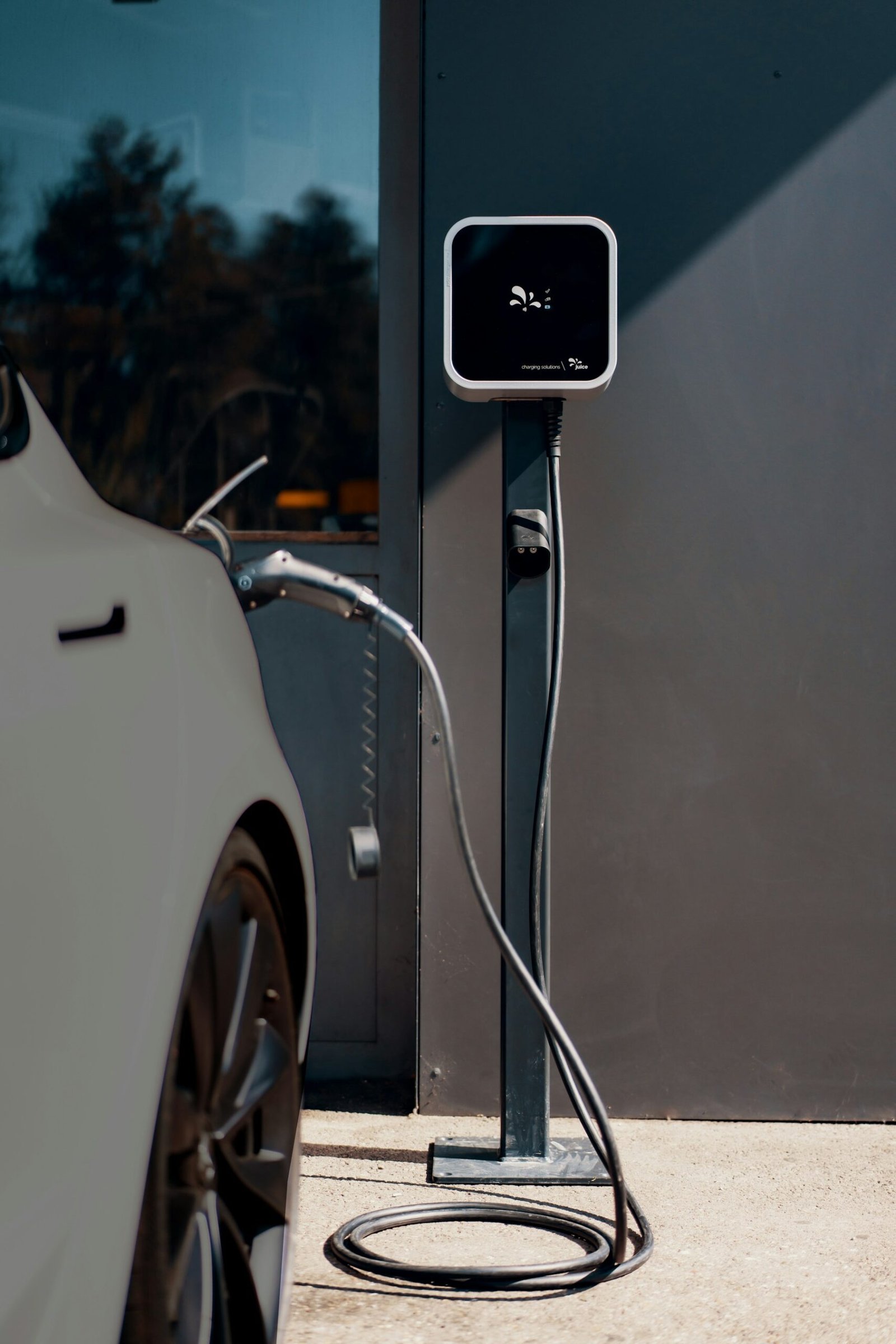
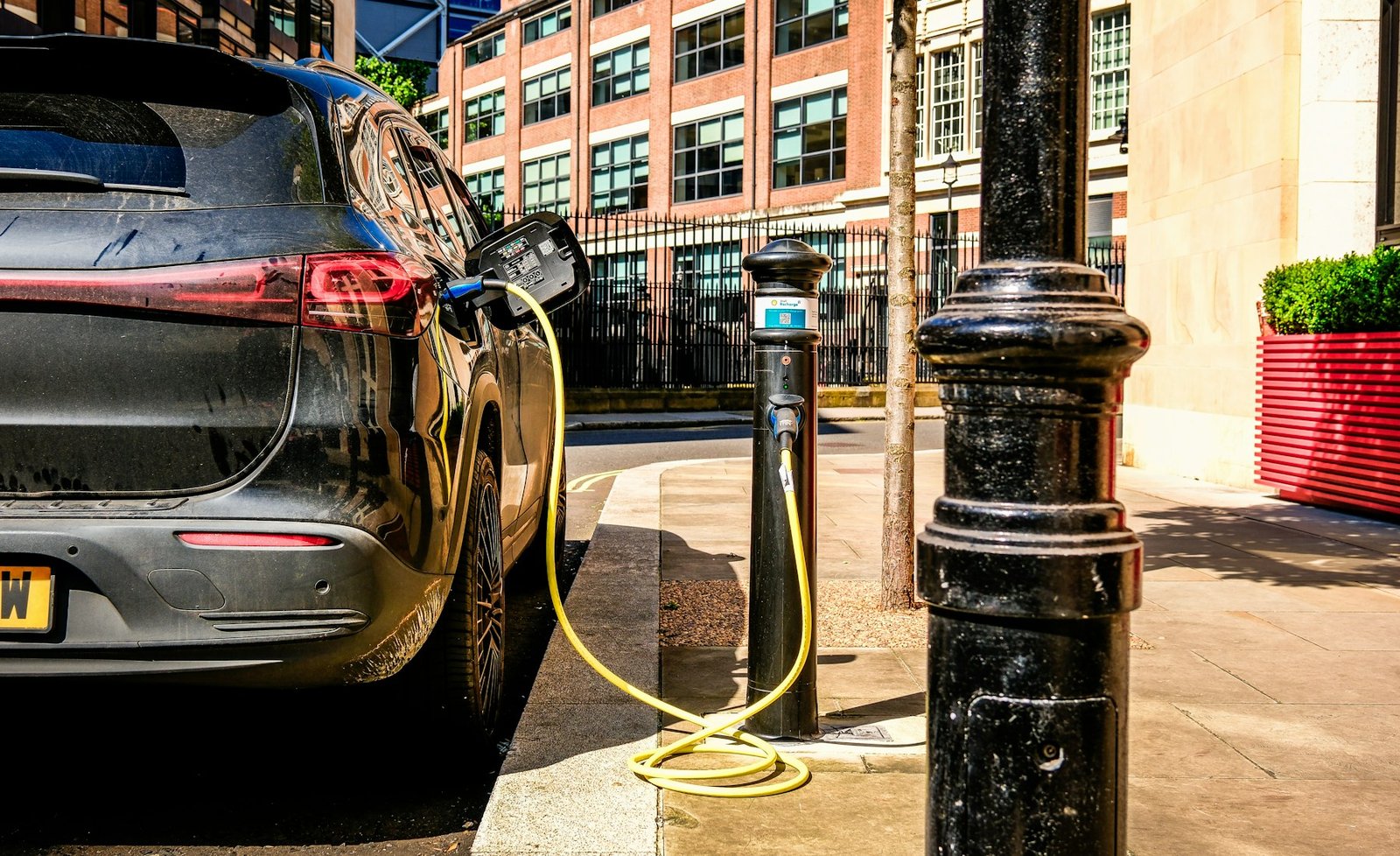
The part that catches people out is not the battery. It is the smart-car stuff. Auto wipers waking up halfway through the foam. Auto Hold refusing to let the car roll. Mirrors doing their own thing. Or, honestly, somebody arriving at the wash with the charging flap still open. Not ideal.
So the useful question is really: what should I set up before the conveyor grabs the tyres? Here is the calm, no-drama version.
Most EVs are fine in a normal car wash. Before you enter: unplug, close the charge port, turn off wipers, and use your car’s recommended wash / Neutral procedure. The exact buttons vary by model, so this is one place where the owner manual is actually worth opening.
The 60-second setup before an automatic wash
- Unplug completely. Do not take a charging cable or connector into the wash with you. Obvious, yes. Still worth saying.
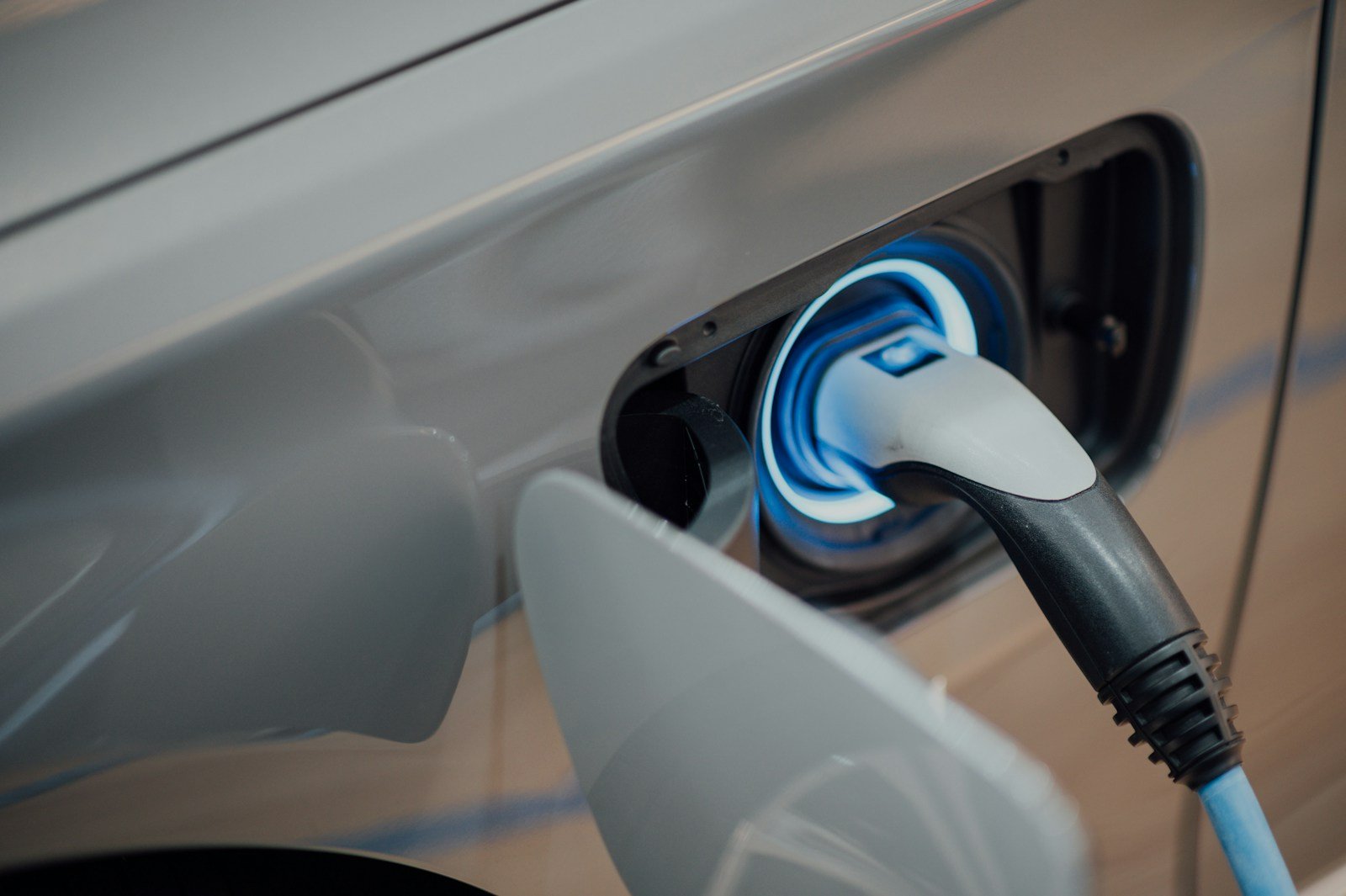
- Close the charge-port door. Check that it is properly latched, not just resting there.
- Turn off automatic wipers. You do not want the wipers trying to battle a giant spinning brush.
- Follow your model’s wash-mode or Neutral instructions. Some EVs have a dedicated Car Wash Mode. Others need a specific Neutral sequence, especially for conveyor washes.
- Fold mirrors only if your wash instructions and vehicle manual allow it. Same thing for automatic door handles, charging flaps and parking sensors.
- Remove or secure accessories. Roof racks, bike carriers, loose trim and some aftermarket add-ons can make a normal wash less normal very fast.
That third and fourth point are the ones people skip. A tunnel wash may need the car to roll freely in Neutral, with hands and feet off the controls. Some EVs will hold themselves still by default, because that is usually useful. In a conveyor wash? Not so useful.
Tesla, for example, includes a dedicated Car Wash Mode on supported models. Other brands may call it something else, or simply tell you how to hold the car in Neutral. Don’t guess based on a video for a different EV. Your exact car gets the final word here.
| Before the wash | Why it matters | Easy move |
|---|---|---|
| Charge-port door | An open port is not where you want foam, brushes or a pressure spray. | Unplug, close it fully, then walk around once. |
| Automatic wipers | Water and foam can make rain sensors think it is storming. | Switch wipers off before you enter. |
| Auto Hold / park brake | A conveyor needs the car to move exactly as instructed. | Use the manufacturer-approved Neutral or wash procedure. |
| Mirrors and cameras | Brushes and airflow can be rougher around protruding bits. | Follow the wash’s clearance rules and your manual. |
Touchless, brushes, or hand wash: does the type matter?
A touchless wash is the easy mental option because nothing is physically rubbing the paint. But the actual best choice depends more on the wash quality, the chemicals being used, your paint protection, and whether the place follows its own equipment rules. A dirty old brush tunnel can scratch any car, EV or petrol. That part has not become futuristic yet.
For a regular, well-maintained automatic wash, an EV is not especially fragile. The main EV-specific job is setting the car up properly. For a DIY wash bay, keep the port shut and avoid blasting water directly into an open or visibly damaged charge-port area. If the flap, seal or latch is damaged already, sort that first instead of hoping detergent will mind its business.
A car wash is not the moment to test whether a broken charge flap is “probably okay”. If it does not close, if the port looks damaged, or if a warning is already on the dash, skip the wash and get it checked.
Three things I would not do
- Do not wash the car while it is plugged in. Finish charging, disconnect, and close the port first.
- Do not force Neutral because a random forum post says to. Use the steps for your exact model, especially in a conveyor-style wash.
- Do not aim a close-range pressure washer into an open connector, damaged flap, sensor housing or peeling seal. Normal exterior cleaning is one thing. Forcing water where it should not be is another.
Also, do a quick camera-and-sensor wipe after the wash. Water spots, wax residue and a film of grime can make parking cameras and driver-assistance sensors look worse than they actually are. Nothing dramatic — just a microfiber cloth and thirty seconds.
Since you are already down there looking at the wheels, it is a decent time to glance at the tyres too. Our guide on EV tyre pressure and range explains why those boring rubber circles can mess with efficiency more than people think.
The post-wash EV check
- Make sure the charge-port door closes normally
- Wipe cameras, sensors and mirrors
- Look at the tyres for nails, cuts or uneven wear
- Check that no warning light appeared after restarting
That is it. No special battery ritual required. Just normal car care, with a bit more attention to the software doing helpful stuff at the wrong time.
What about washing an EV in rain?
A proper car wash and charging in wet weather are different situations, but the basic theme is similar: use normal equipment as intended, keep the connector and port in good condition, and do not improvise around visible damage. For the charging side, read our practical guide to charging an EV in the rain.
And yes, an EV is still a car that needs looking after. No oil changes does not mean no checks at all. Our EV maintenance checklist covers the other things worth keeping an eye on.
Quick FAQ
Can an EV go through a brush car wash?
Usually, yes, provided the wash is suitable for your vehicle and you follow its clearance rules plus your own car’s instructions. The real concerns are things like wipers, mirrors, accessories and the correct Neutral / wash-mode setup.
Do EVs need a special car wash?
Not usually. A normal, well-run car wash can be fine. Your EV may have a special software setting for it, though, so check the owner manual once and you will know what to do next time.
Should I pressure wash the charging port?
No. Keep the port closed during washing and avoid directing a high-pressure jet into an open connector or any area with a damaged flap or seal.
Why did my EV refuse to roll in the car wash?
It may have Auto Hold, a parking brake or a gear-selection rule that needs a specific sequence. Stop and follow the manual rather than fighting the pedal or selector.
Which one are you?
Touchless wash, brush tunnel, DIY wash bay, or “I only wash it when somebody writes their name in the dust”? Tell us in the comments. This is a discussion prompt, not a live vote counter.
Source note: Wash-mode and Neutral instructions are model-specific. Tesla owners can review the official Model 3 owner’s manual; for every other EV, use the manual for your exact model and model year.
Bottom line: An EV is not allergic to a car wash. Set the car up, keep the charge port closed, follow the conveyor instructions, and do not let your automatic wipers start a tiny fight with a spinning brush. Easy.