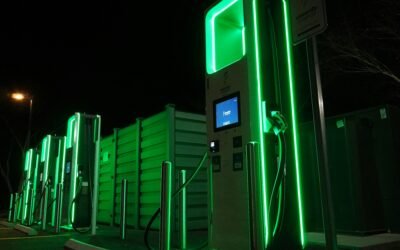
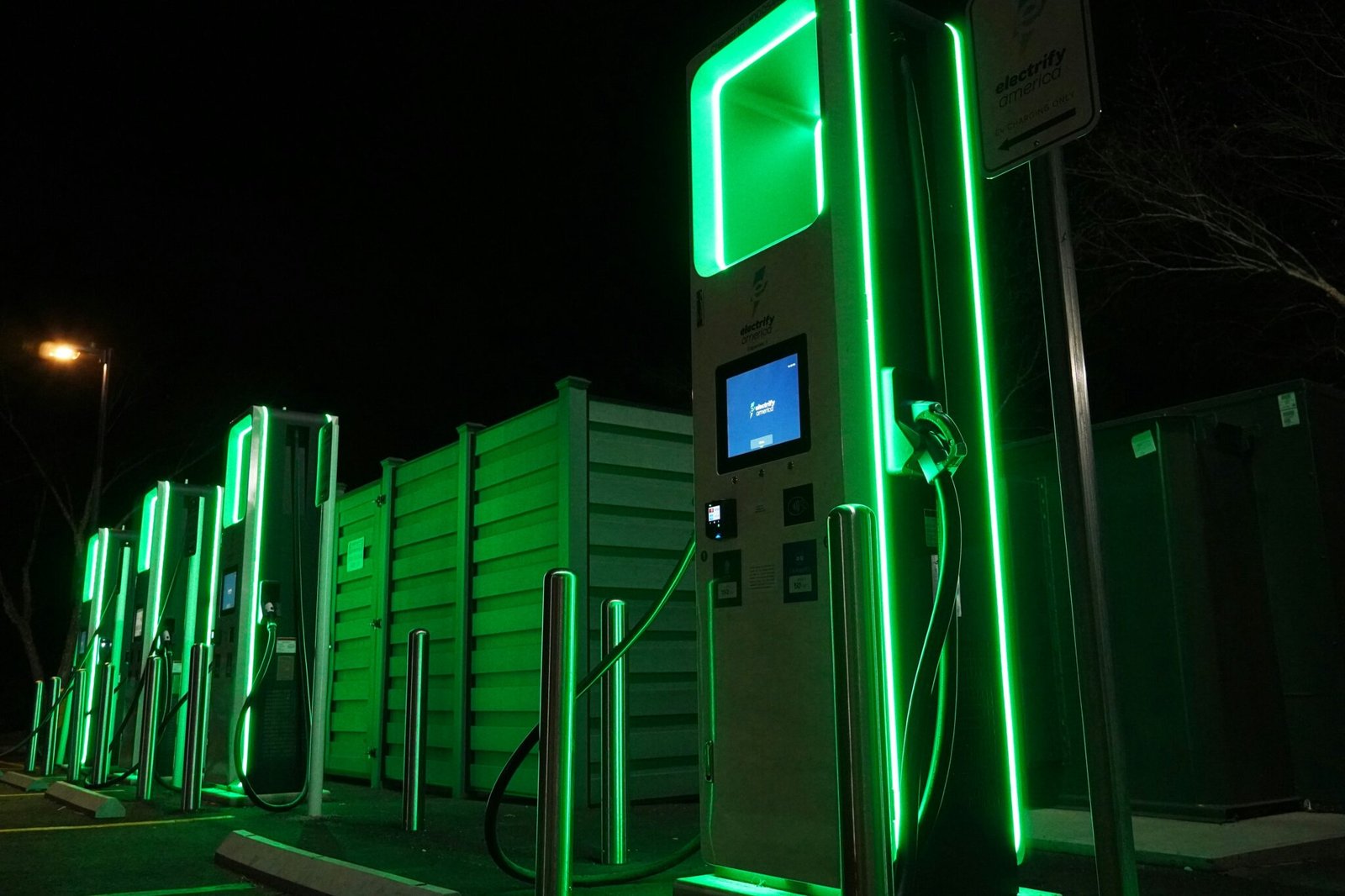
I Stopped Charging My EV to 100% on Road Trips — Trips Got Easier
Charging an EV to 100% at every fast charger can make a road trip slower. Here is the no-drama driver rule I use instead — and the moments when a full charge still makes sense.

Charging an EV to 100% at every fast charger can make a road trip slower. Here is the no-drama driver rule I use instead — and the moments when a full charge still makes sense.
Vehicle-to-Load (V2L) can let some EVs power camping gear, laptops, tools and more. Here’s what it does, what it cannot do, and the limits worth checking first.
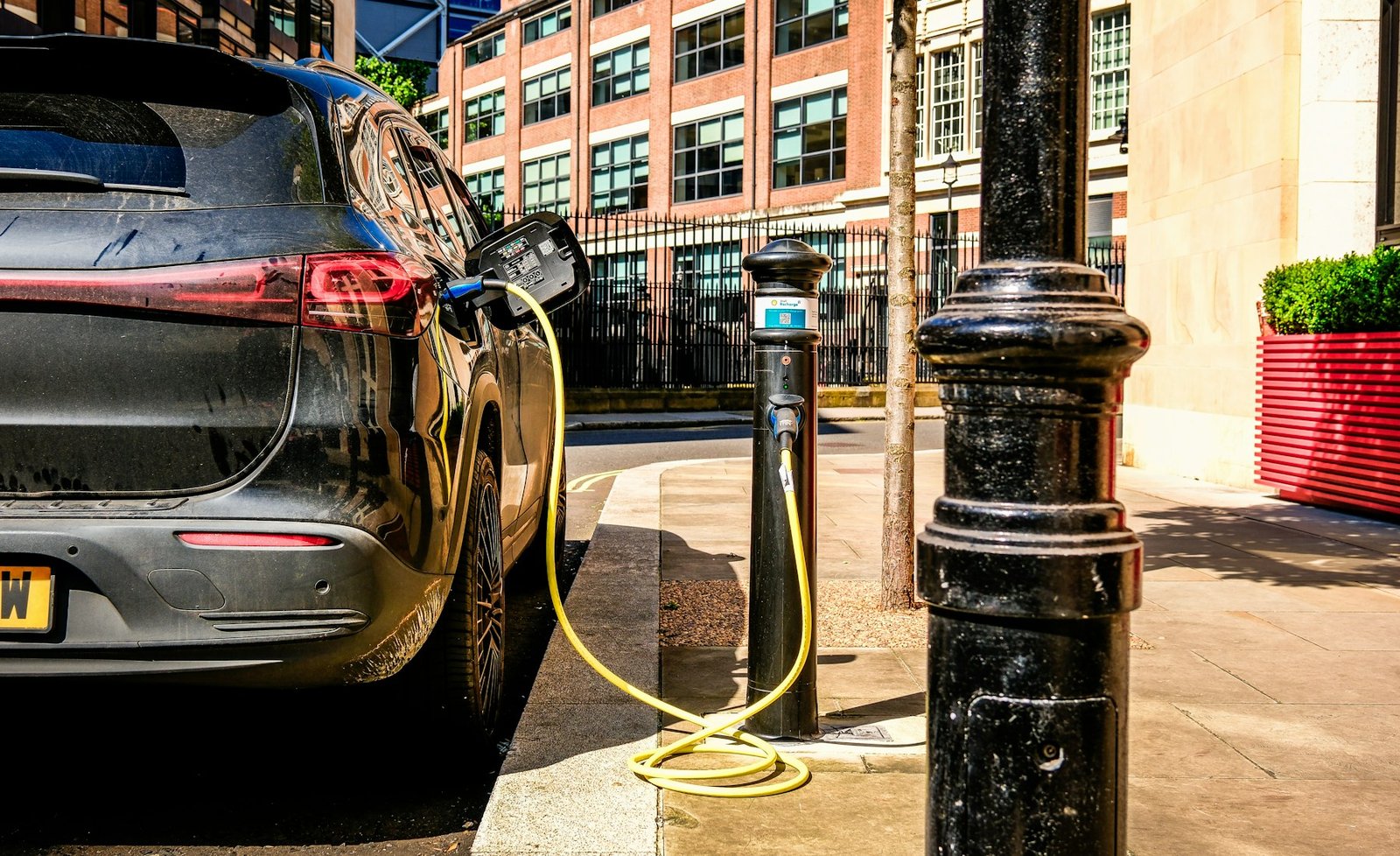
EV range is the headline number, but the window sticker also shows energy use, charging assumptions and estimated running cost. Here is what to actually look at before you buy.

Electric cars do not need engine warm-up time, but preconditioning can make cold mornings more comfortable and help with predictable range. Here is the simple routine that actually makes sense.

Yes, most EVs can go through a normal car wash. The important bit is the setup: unplug, close the charge port, deal with wash mode, wipers and Neutral before the conveyor starts moving.
EVs skip engine-oil changes, but tyres, brakes, filters, wipers and the low-voltage battery still need attention. Here is the simple no-drama checklist.
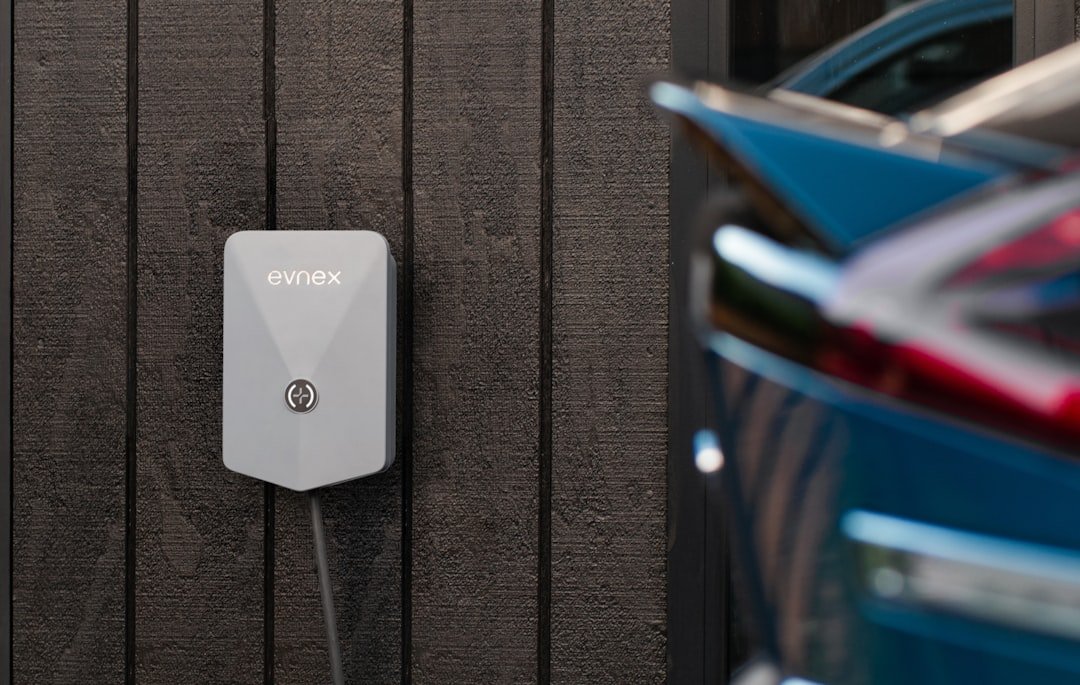
Can you charge an EV with an extension cord? Usually, that is not the right plan. Here is why it gets risky, what to check, and safer options that actually last.
A full traction battery does not always mean your EV will wake up. Here is what the small low-voltage battery does, why it matters, and the no-panic things to check.
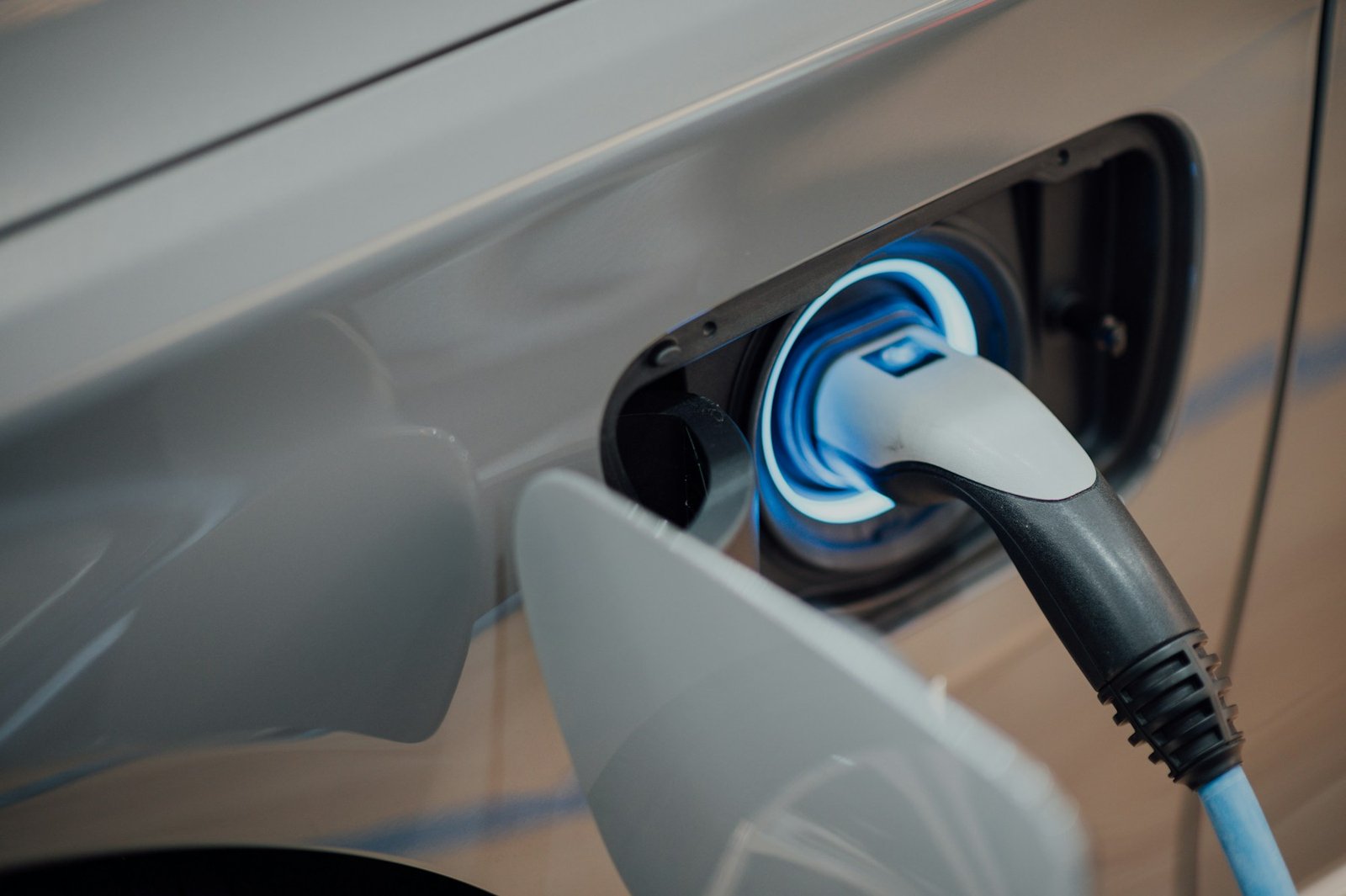
EV preconditioning can warm or cool the cabin and prepare the battery for charging, but it is not a ritual you need before every drive. Here is what it actually does.
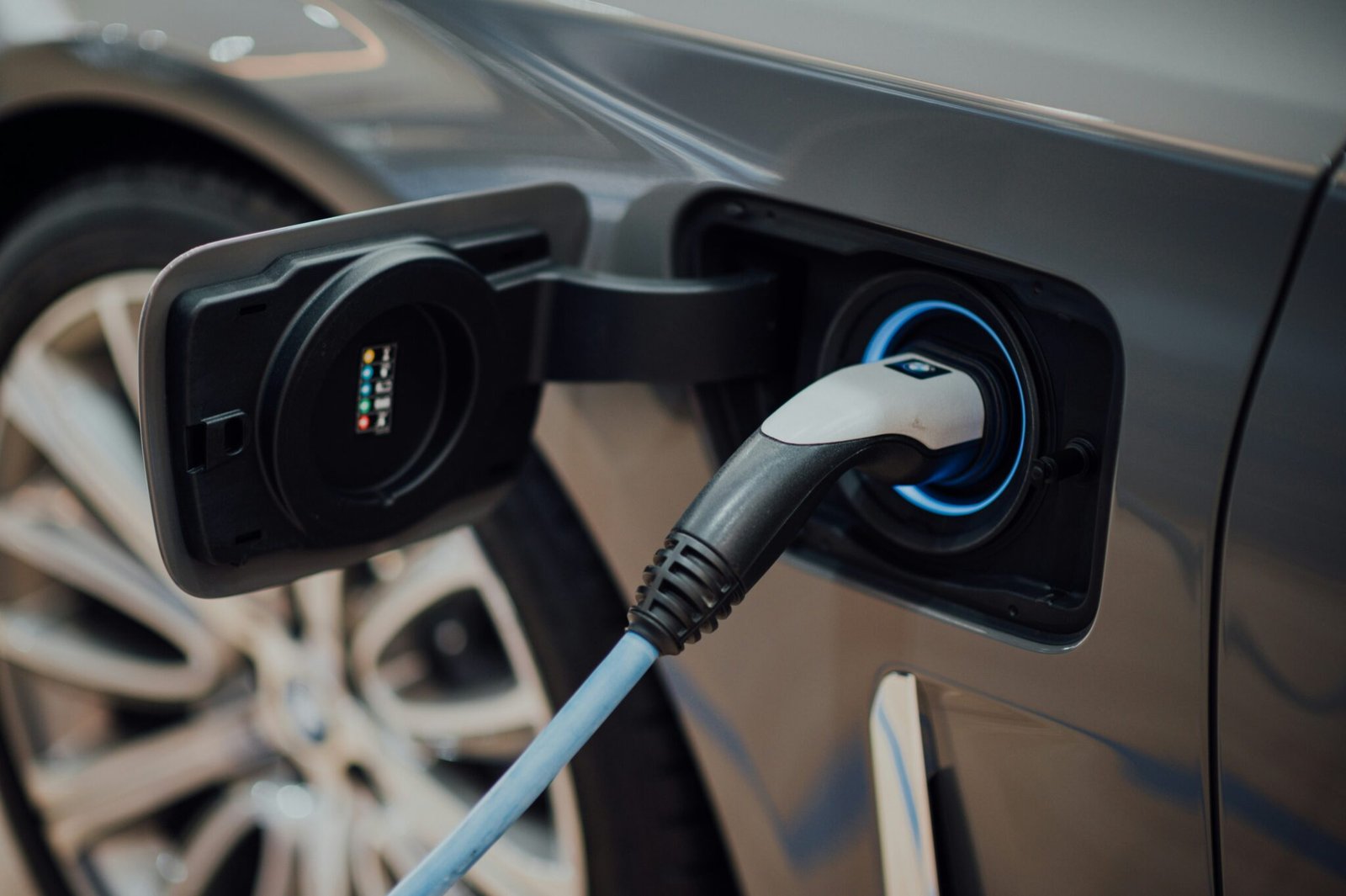
Can you safely charge an EV in rain? Usually yes, with undamaged equipment used as intended. Here is the no-panic checklist for public and home charging in wet weather.