
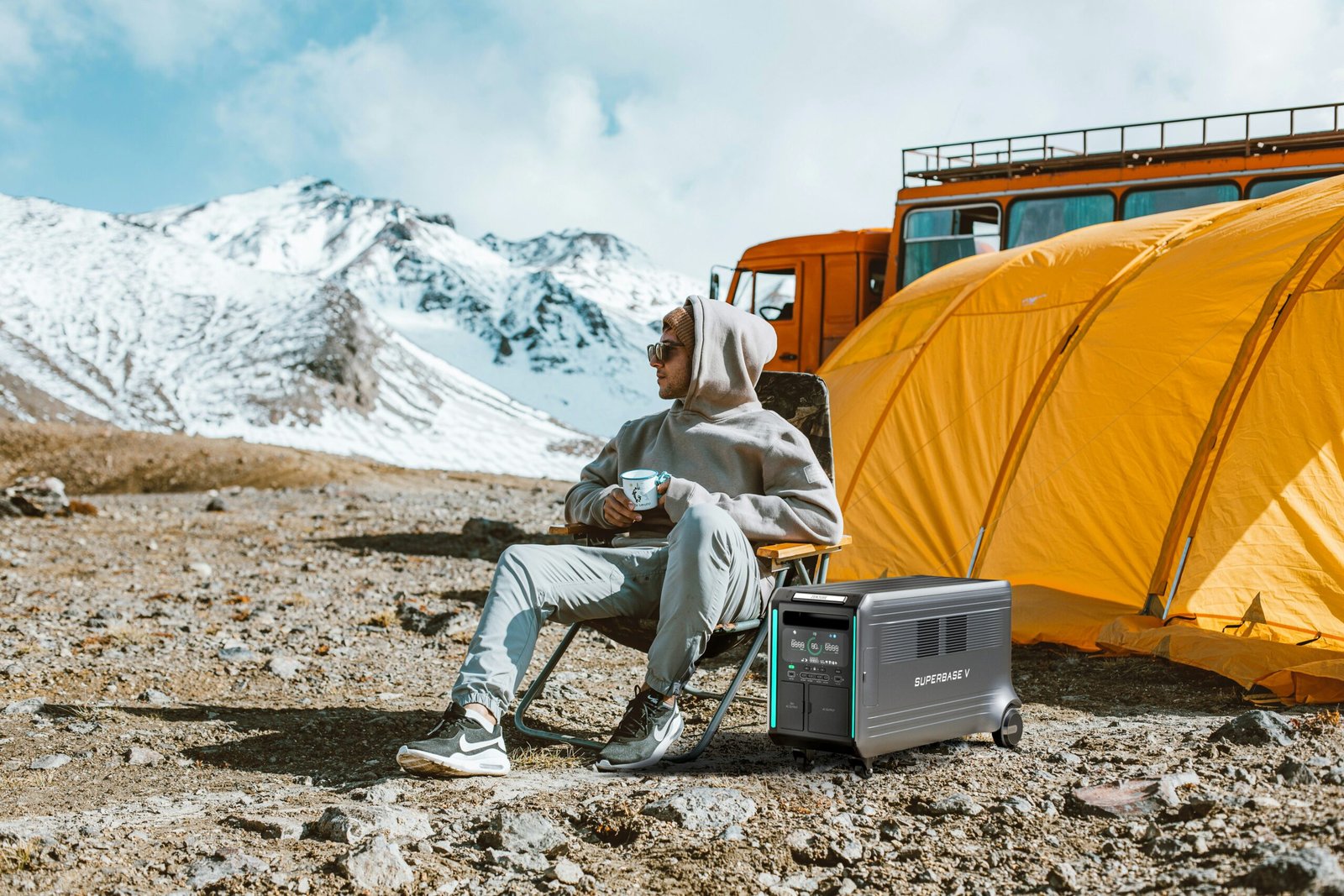
There is a mildly ridiculous thing some EVs can do that people do not discover until somebody at a campsite asks, ‘wait… can your car run that?’
Sometimes, yes. Not every EV has it, and not every version of the same model has it, but Vehicle-to-Load — usually shortened to V2L — can turn an EV’s traction battery into a pretty serious portable power source. Think laptops, lights, e-bikes, small tools, a coffee maker… the normal ‘we are somewhere with no socket’ stuff.
V2L is not a secret way to run your whole house through an EV charging cable. It is a vehicle feature with its own outlets, adapters and limits. Check your exact manual before plugging anything serious in.
Okay, what does V2L actually mean?
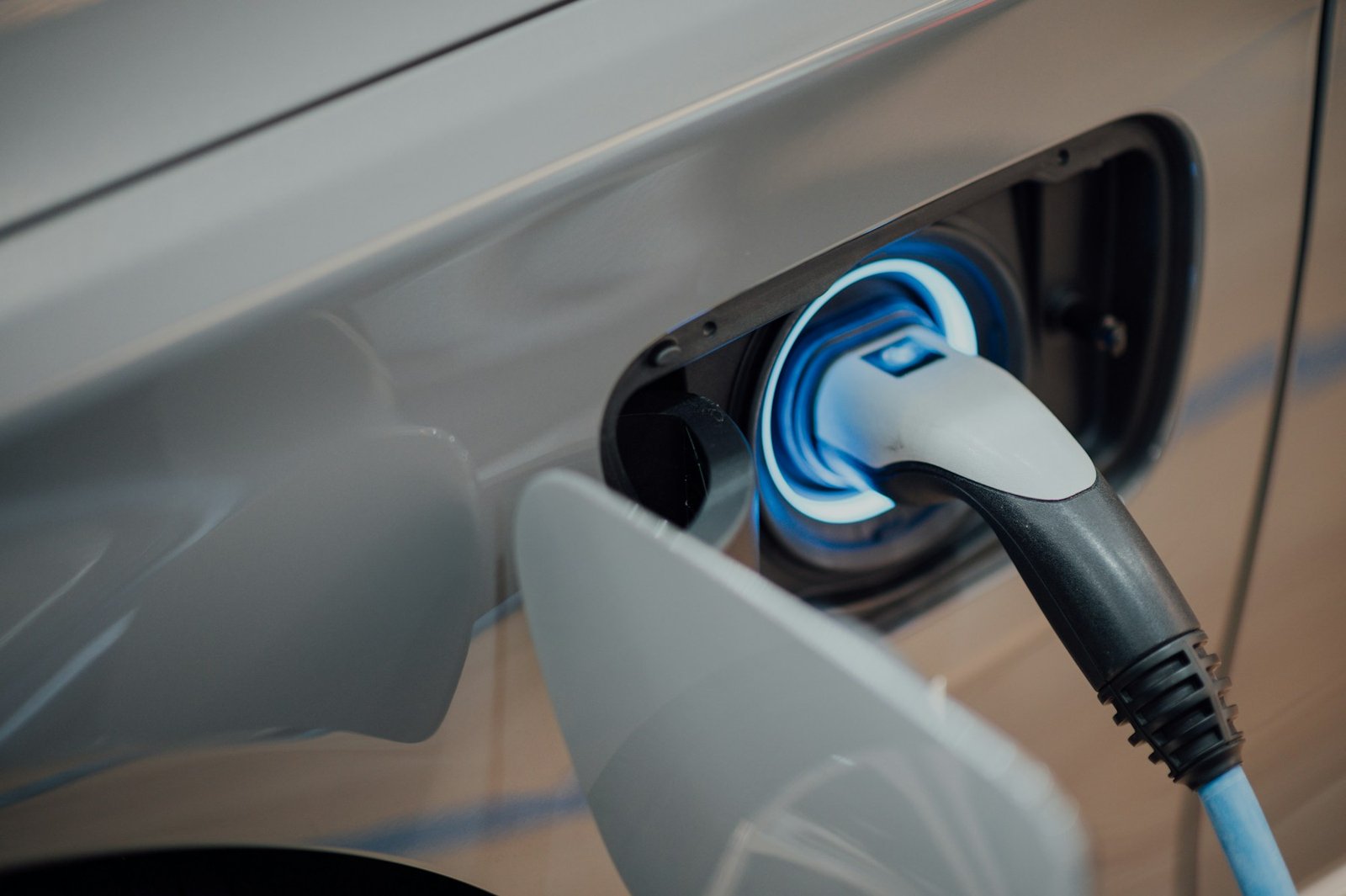
V2L means power from the vehicle to an electrical load. In plain English: your EV sends electricity out to a device instead of only taking electricity in. Depending on the car, that might happen through a special adapter at the charge port, an outlet inside the cabin, or outlets in the boot or cargo area.
The important word there is depending. A video of someone boiling a kettle from an EV does not mean your EV can do it too. Some cars offer V2L as standard, some as an option, some only in certain markets, and plenty do not offer it at all. The owner manual wins this argument every time.
Also, V2L is not the same thing as vehicle-to-home or vehicle-to-grid. The names are annoyingly similar, so here is the clean version.
| Feature | What it does | Example | What it usually needs |
|---|---|---|---|
| V2L | Powers individual appliances or devices | Camping lights, laptop, e-bike charger, small tool | Vehicle support plus the right outlet or adapter |
| V2H | Supplies electricity to a home | Selected home circuits during an outage | Compatible car, approved hardware and proper installation |
| V2G | Sends energy back to the grid | A utility programme or managed-energy setup | Vehicle, utility and equipment support |
What can you realistically run from an EV?
Small and medium loads are where V2L makes the most sense. Charging phones? Easy. Running a laptop while working outside? Fine. Powering lights at a campsite? Very normal. A compact fridge, e-bike charger or a small tool may also be okay if the vehicle’s output rating allows it.
What gets people into trouble is assuming ‘big battery’ means ‘unlimited outlet.’ It does not. The outlet, adapter, inverter, cable and car all have their own limits. Some devices also pull a quick surge when starting, especially anything with a motor, compressor or heating element. That little number on the appliance label matters more than the vibes.
A recent ADAC practical test of six V2L-equipped EVs found very different output limits between vehicles. Peak output ranged from 2.2 kW to 7.2 kW, while continuous output in that group topped out at 3.7 kW. Treat those figures as an example of why you need your own car’s rating, not a universal promise.
| Usually sensible | Pause and check first | Not a casual V2L job |
|---|---|---|
| Phone chargers, lights, laptops, camera batteries | Kettles, heaters, power tools, portable fridges, e-bike chargers | Back-feeding a house, unknown wiring, damaged cables, high-load equipment without checking ratings |
How much range does V2L use?
There is no one neat answer, because it depends on what you connect, how long it runs, your EV’s battery size, the temperature and the car’s own background power draw. But the basic idea is simple: more watts for more time means more energy taken from the battery. An hour of gentle laptop-and-lights use is a very different thing from an hour of electric heating.
This is why a low battery reserve can be a deal-breaker. Many cars let owners set a minimum state of charge for power-export features, and some will stop V2L when the battery reaches a set level. That is not the car being dramatic. It is trying to leave enough energy for you to actually drive away.
The no-regrets V2L checklist
- Confirm that your exact EV supports V2L in your market.
- Use the manufacturer-approved outlet, adapter and cable.
- Check the appliance label for watts and, where relevant, startup surge.
- Keep a driving reserve before running anything for a long time.
- Keep plugs, adapters and cables dry and undamaged.
- Do not improvise a home-backup system with a random cable or socket.
For charging-gear safety, see our guide to why an extension cord is not a normal EV charging plan.
The one thing I would not do: pretend V2L is V2H
V2L is brilliant for individual devices. It is not permission to plug your car into household wiring, a wall outlet or a DIY backup-power setup. A proper vehicle-to-home system is a separate thing and may need approved hardware, isolation equipment, permits and an electrician. Skipping that stuff can create a shock, fire or utility-line risk — and it can also ruin your day in a much more expensive way.
For day-to-day EV ownership, think of V2L as a very useful extra outlet, not as a portable power station you can use with zero thought. That sounds less exciting, I know. It is also the version that keeps everybody’s appliances and eyebrows intact.
Quick FAQ
Do all electric cars have V2L?
No. It is vehicle-, trim- and market-specific. Check your owner manual, spec sheet or dealer documentation for your exact car.
Can I use V2L while the EV is charging?
Do not assume you can. Behaviour varies by vehicle and setup, so follow the instructions for your model instead of trying it as an experiment.
Can V2L power my whole house in a blackout?
Usually no. That is a V2H question, and it needs compatible equipment plus a professionally installed setup designed for home backup.
Would you actually use V2L?
This is a comment prompt, not a live poll counter. Tell us what you would power first: camping gear, work tools, an e-bike, or just a very important coffee machine.
Source note: The practical-output example above comes from a June 2026 ADAC V2L test reported by Welt. Output limits, weather restrictions and operating steps differ by vehicle, so your owner manual is the final word for your car.
Bottom line: V2L is one of those EV features that sounds gimmicky right up until it saves a camping trip, a workday or an unexpectedly long stop somewhere. Just learn your car’s limits before you need it. Future you will be smug in the best possible way.