


Cold morning. You are half awake. The old petrol-car habit says: start it, wait around, let it warm up. With an EV though, that little routine is mostly leftover muscle memory. There is no combustion engine sitting there trying to get oil flowing before it can behave.
That does not mean winter has no effect on an electric car. It absolutely does. The cabin still needs heating, windows still need clearing, and the battery system may need to manage its temperature. But “give it ten minutes to idle” is not really the answer here.
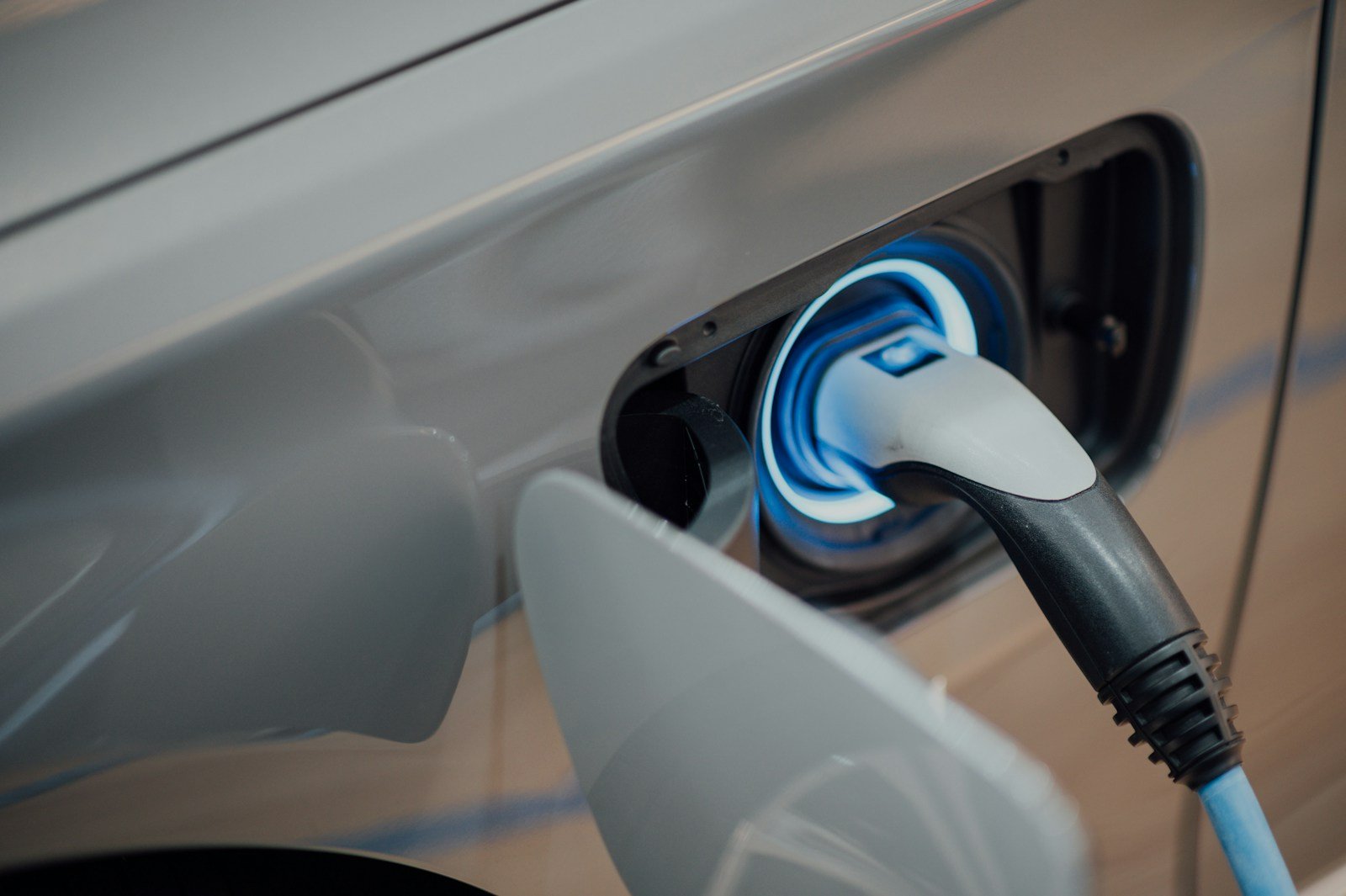
No, an EV does not need to warm up like a petrol or diesel car. On cold days, the useful move is preconditioning while the car is plugged in, if your vehicle offers it. That warms or cools the cabin before you leave and may also prepare the battery system, depending on the model.
Why the old “warm it up” rule does not really apply
All-electric cars use a traction battery and electric motor rather than an internal-combustion engine. So there is no engine oil to warm up, no exhaust system warming cycle, and no reason to leave the car running just because that is what you did with your last car.
You can usually get in, make sure you can see properly, select Drive and go. Simple. The only asterisk is that cold weather can change how much energy the car uses and how fast it can charge later, which is why your car’s own climate and battery-prep features can be handy.
“Preconditioning” is not always one identical feature. In some EVs it mainly warms or cools the cabin. In others, it can also prepare the battery for a planned fast-charging stop. Check your own manual or app, because the labels and behaviour vary a lot.
What you might actually want to warm up
| Thing you are preparing | What it helps with | Worth doing? |
|---|---|---|
| Cabin | Comfort, clear glass and fewer frozen fingers on the wheel | Yes, especially when plugged in |
| Battery system | Can support performance or charging conditions on vehicles that provide the feature | Useful before a planned fast charge, if supported |
| Windscreen | Safe visibility before moving | Not optional. Clear it properly. |
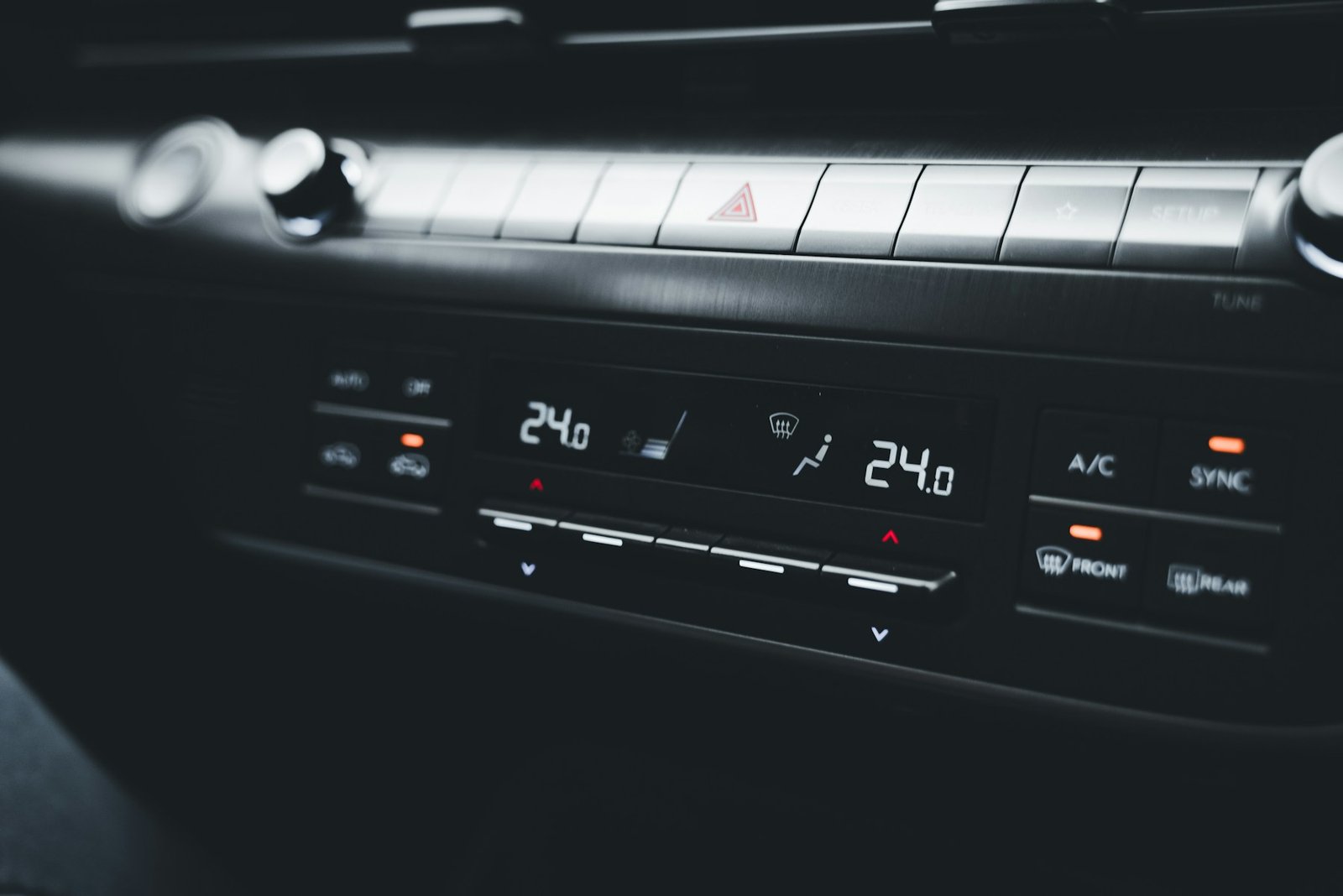
The cabin part is the easy one to understand. A scheduled departure time can mean you climb into a warm car instead of burning range after you have already left the driveway. If you are plugged in, some of that energy may come from the wall rather than the battery. That is honestly the whole win.
The battery bit is more model-specific. Some cars start battery conditioning when you navigate to a compatible fast charger. Some have a manual button. Some basically keep it in the background and never show you much. We went deeper on that in our no-nonsense EV preconditioning guide.
A sensible five-minute EV morning routine
- If you can, leave the EV plugged in overnight or before departure.
- Set a departure schedule or start cabin climate from the app a little before you leave.
- Clear snow, ice and fog from every required window, camera and light. Do not drive with a tiny peephole in the windscreen. Please.
- Check the estimated range, but treat it as an estimate. Cold, speed, wind and cabin heating can all move it around.
- For a winter road trip, use the car’s navigation to plan charging stops so battery preparation can work when your EV supports it.
Use wall power before you leave, not precious driving energy after
You do not need to turn every departure into a military operation. But when the weather is ugly and the car is already charging at home, preheating the cabin beforehand is a very easy habit. It just makes the first few miles less annoying.
What you should not do is sit in the driveway for ages assuming you are “warming the engine”. You are not. You are just using energy, and maybe making yourself late. A few minutes for defrosting or cabin comfort? Totally normal. Ten or fifteen minutes out of habit? Not much point.
Also, do not panic when your predicted range looks a bit moody in winter. It is reacting to real conditions, not necessarily telling you the battery is suddenly ruined. This is why we keep saying the number on the dash is more like a forecast than a promise. Read why EV range estimates move around before you decide something is broken.
Does a heat pump change the answer?
It can help with efficiency, but it does not turn winter into summer. EV heat pumps are designed to move heat rather than create all of it the same way a basic resistive heater does, which can reduce the energy needed for cabin heating in certain conditions. Still, results depend on the temperature, the vehicle and what the system is doing at that moment.
So do not buy into the “my EV has a heat pump, weather no longer exists” idea. It is a useful piece of engineering, not wizardry. Plan a buffer on longer trips, keep tyres at the correct pressure, and do the obvious boring things. The boring things work surprisingly often.
A little checklist that avoids big drama
- Charge before you need it, rather than starting a long trip nearly empty.
- Check tyre pressure cold — temperature changes can make it dip.
- Use the car’s route planner when it is available.
- Leave a little range buffer for wind, weather, traffic and charger detours.
For the tyre part, this quick EV tyre-pressure guide is worth saving too.
Quick FAQ
Should I let my EV sit for five minutes before driving?
Not for an engine warm-up. Drive once visibility is safe. Use a few minutes of preconditioning only when you want cabin comfort, defrosting or your car’s supported battery-prep feature.
Does preconditioning use battery power?
It can. When the EV is plugged in, it may be able to use incoming power for some of the work. When it is unplugged, expect energy use from the vehicle. Exact behaviour depends on the model.
Do I need preconditioning before every drive?
No. It is most useful when it is very cold or hot, when you want a comfortable cabin from the start, or before a planned fast charge on cars that support battery preparation.
Can I just use seat and steering-wheel heat instead?
Those can be useful for comfort, but do not compromise on windscreen clearing or visibility. Your first job is being able to see safely.
Do you precondition your EV before leaving?
This is a conversation prompt, not a live vote counter. Tell us in the comments: every day, only in winter, only before charging, or never because you forget like the rest of us.
Source note: The U.S. Department of Energy’s Alternative Fuels Data Center explains that battery-electric vehicles use an electric traction motor and include thermal systems that maintain suitable operating temperatures. For your exact preconditioning options, schedules and cold-weather guidance, use your own vehicle’s manual.
Bottom line: Do not idle an EV because your old car taught you to. Get visibility sorted, use scheduled cabin climate when it genuinely helps, and drive. That is it. No ceremony required.