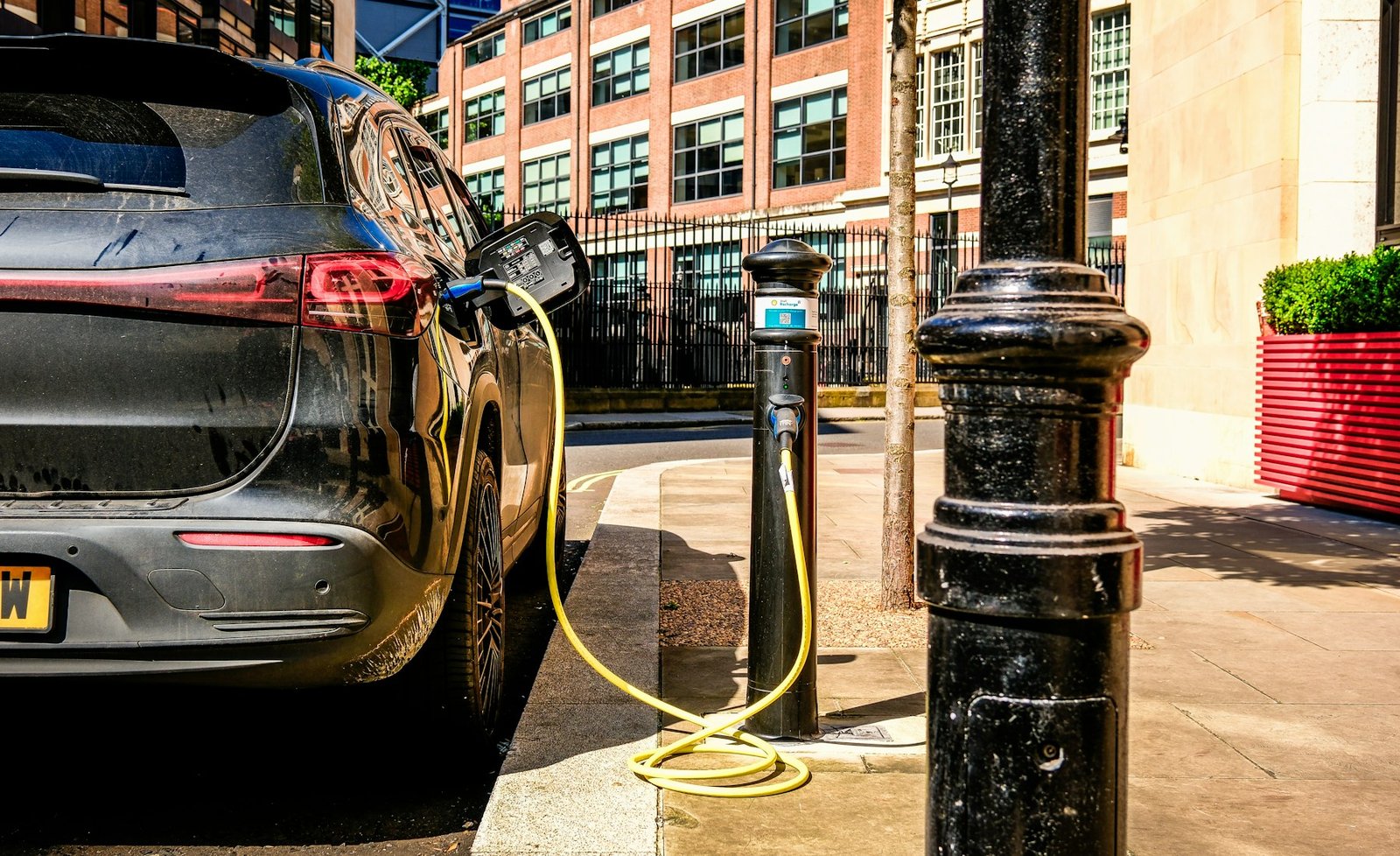
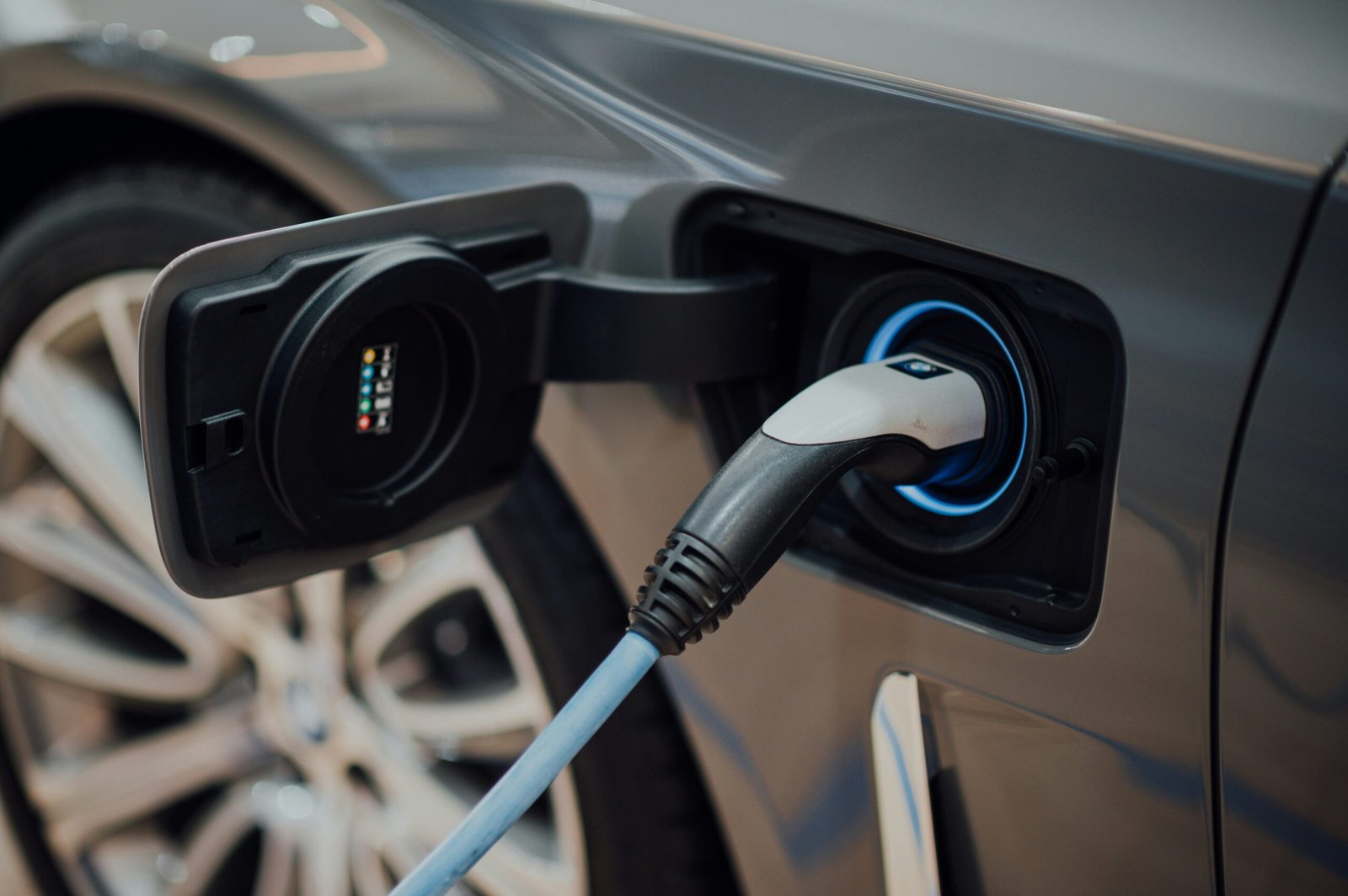
It is raining. You are at 28%. The charger is outside. And suddenly plugging in an electric car feels like the opening scene of a very low-budget disaster movie.
The calm answer is: yes, you can normally charge an EV in the rain. Modern cars and proper EV charging equipment are made to be used outdoors. But “normally” matters here. Rain is one thing; damaged equipment, a flooded charger, a cracked cable or a dodgy home setup are very different things.
Rain alone is not a reason to skip charging. Use the charger as intended, check that the cable and connector look normal, and leave immediately if anything looks damaged, flooded or unsafe.
That last bit is not meant to sound dramatic. It is just the same common-sense rule you would use with anything electrical: do not gamble on equipment that looks broken because your battery icon is making you nervous.
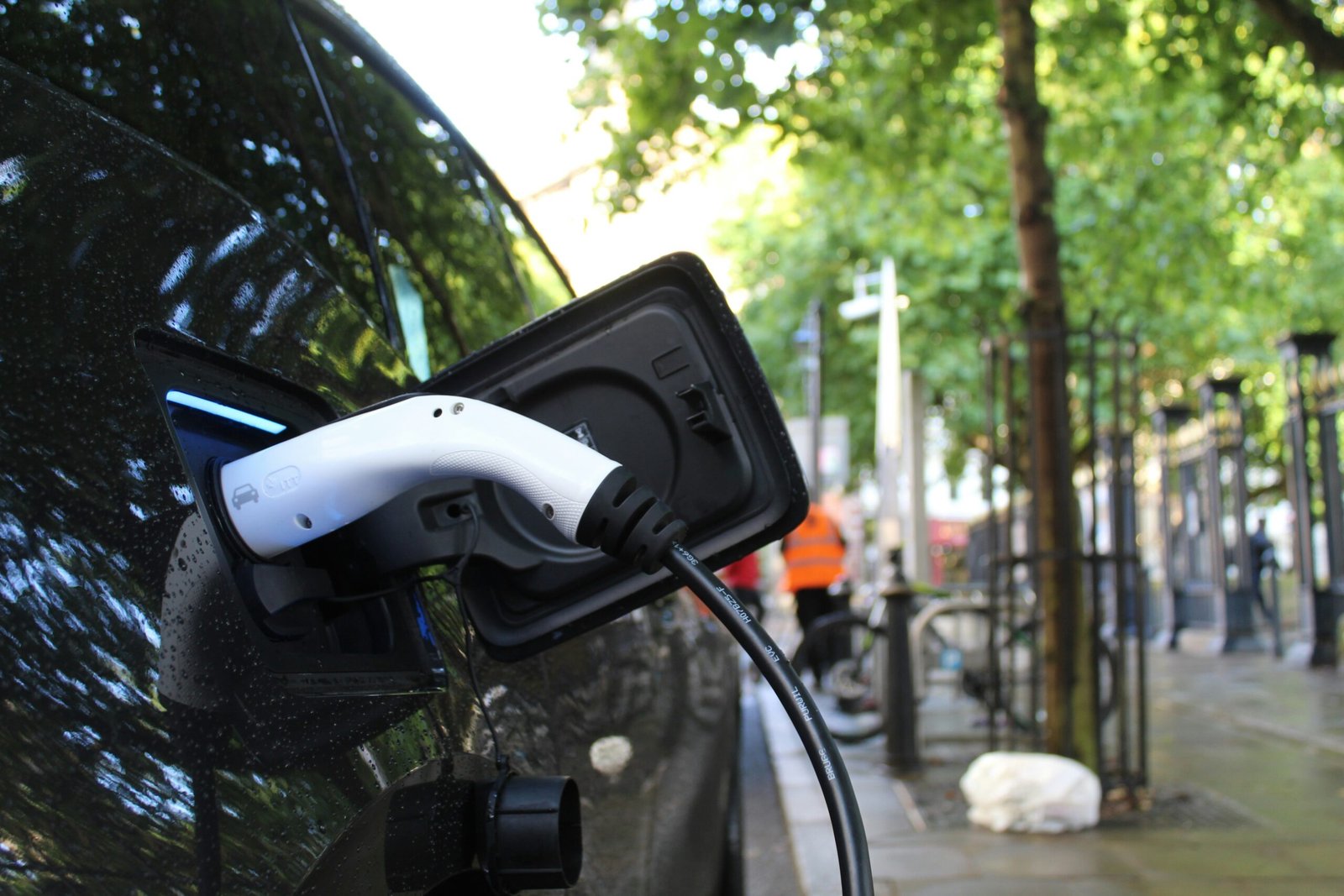
Why rain does not automatically mean danger
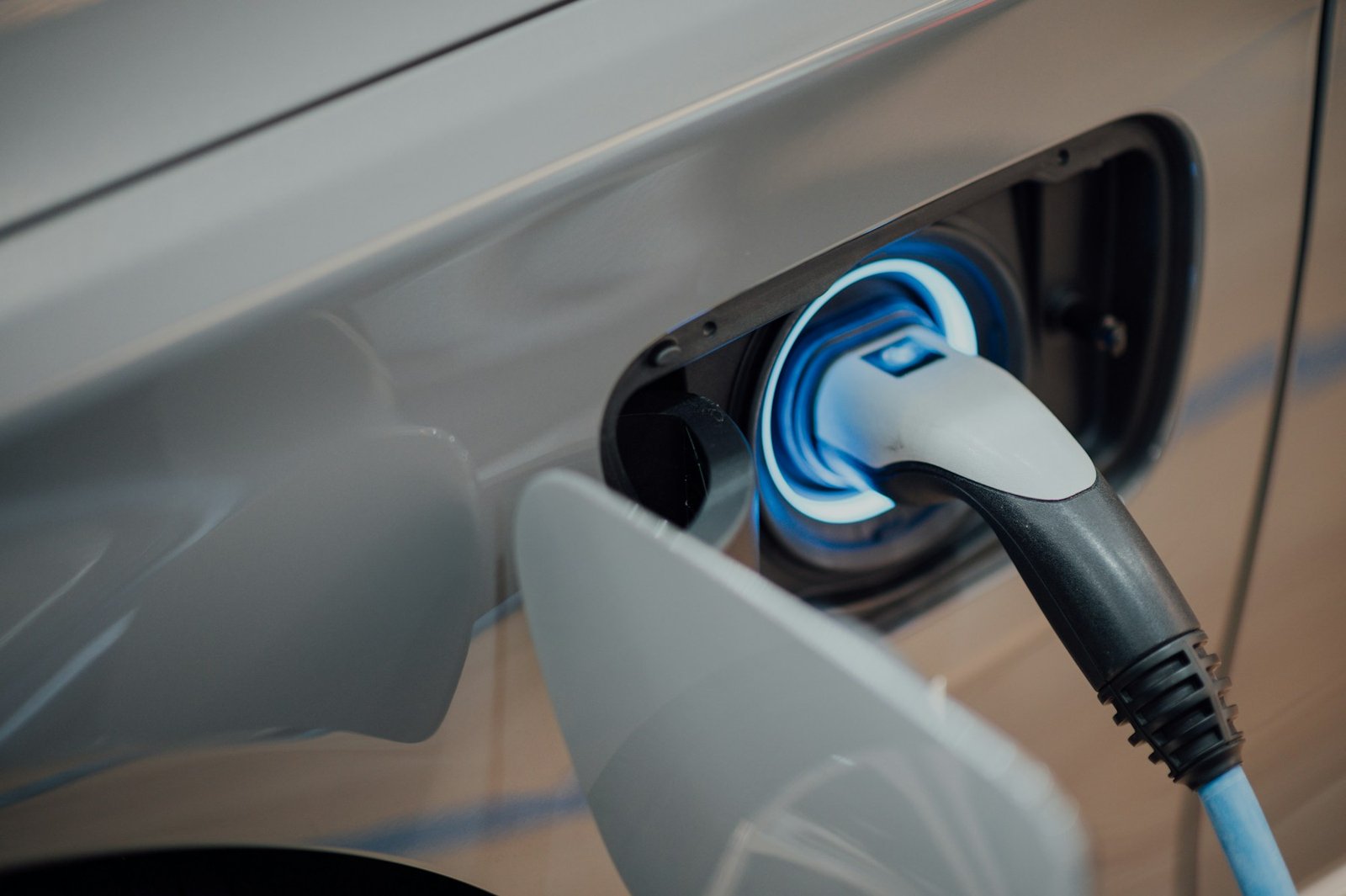
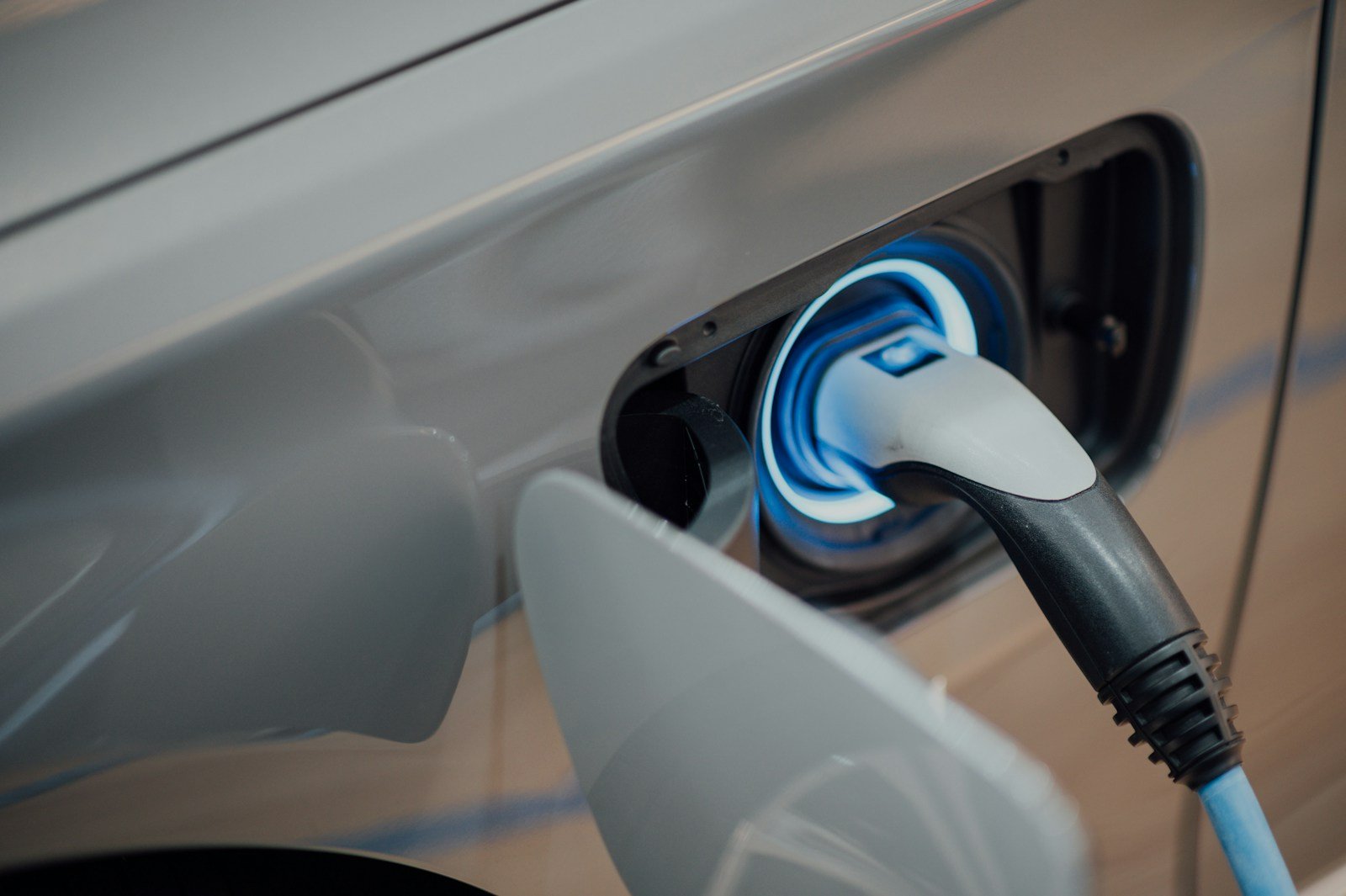
There is a lot going on before charging power is actually sent to the car. The vehicle and charger communicate, check the connection and manage the session. The connector is designed to be used outdoors; it is not just a giant exposed extension lead with a hopeful attitude.
That does not mean every object with a plug is rain-proof. It means the car, the charging station and the cable should all be proper EV equipment, installed and used according to their instructions. That distinction is kind of the whole article.
| Situation | Usually okay? | What to do |
|---|---|---|
| Normal rain with an intact public charger | Yes | Plug in normally and follow the charger-screen instructions. |
| Cable is split, connector is cracked, pins look bent or it feels unusually hot | No | Do not use it. Report the stall in the charging app or call the number on the charger. |
| Standing water around damaged equipment or a flood warning | No | Leave it alone and choose another location. This is not a “see what happens” moment. |
| Home charging with equipment approved for the location | Usually | Follow the unit’s installation and weather-use instructions. When unsure, ask a qualified electrician. |
The 20-second wet-weather charging check
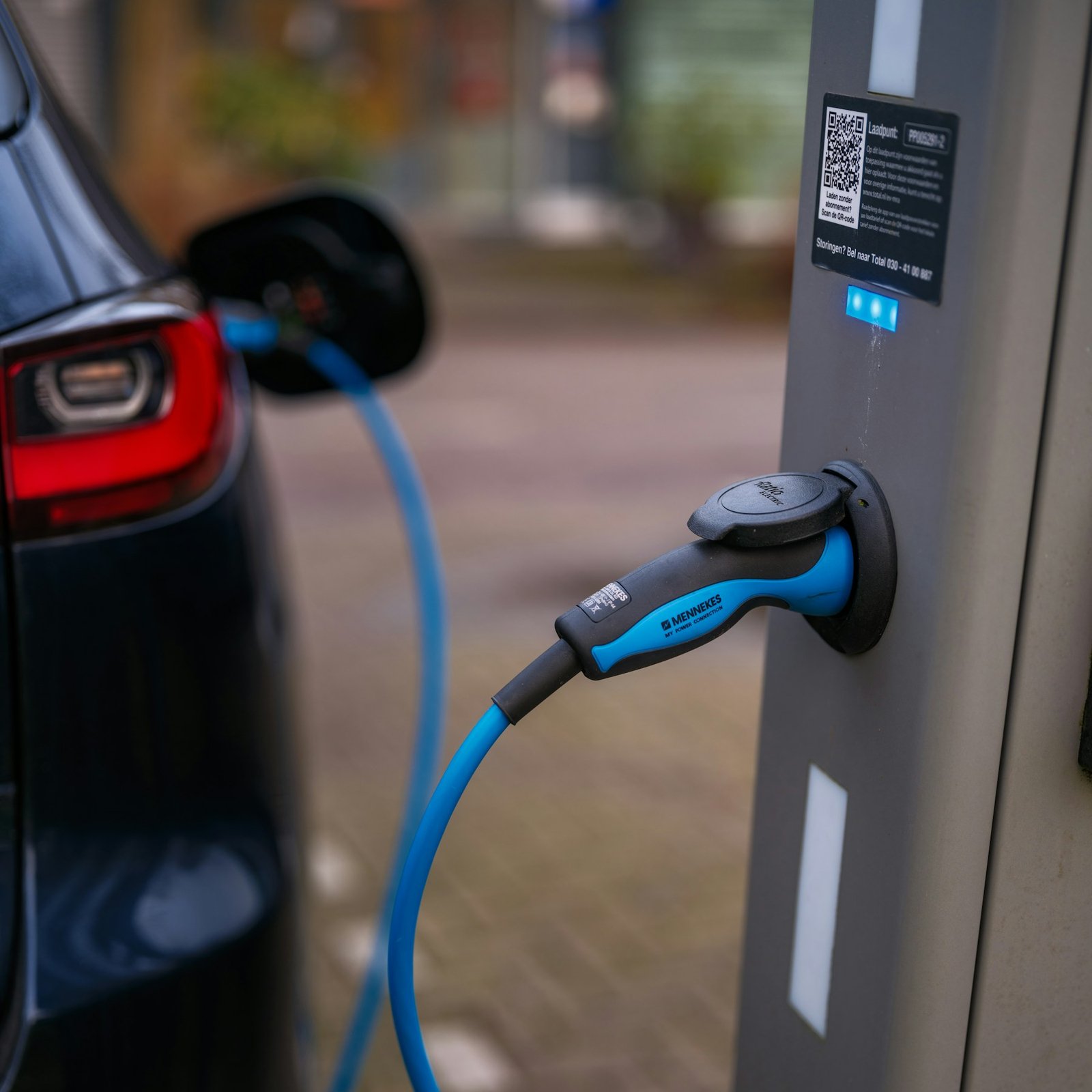
You do not need to inspect a charger like you are taking over an airport runway. Just look before you connect. If the cable has been dragged across a curb and is clearly damaged, pick another stall. If the handle is full of mud, wipe only what you can safely wipe and do not force it into the port.
- Look at the cable jacket and connector for cuts, exposed wiring, cracks or bent pins.
- Make sure the charge-port area is free of heavy debris or pooled water.
- Use the connector gently. It should seat securely; do not twist, jam or force it.
- Check the charger screen or your app to confirm the session actually starts.
- If anything seems wrong, stop the session and use a different charger.
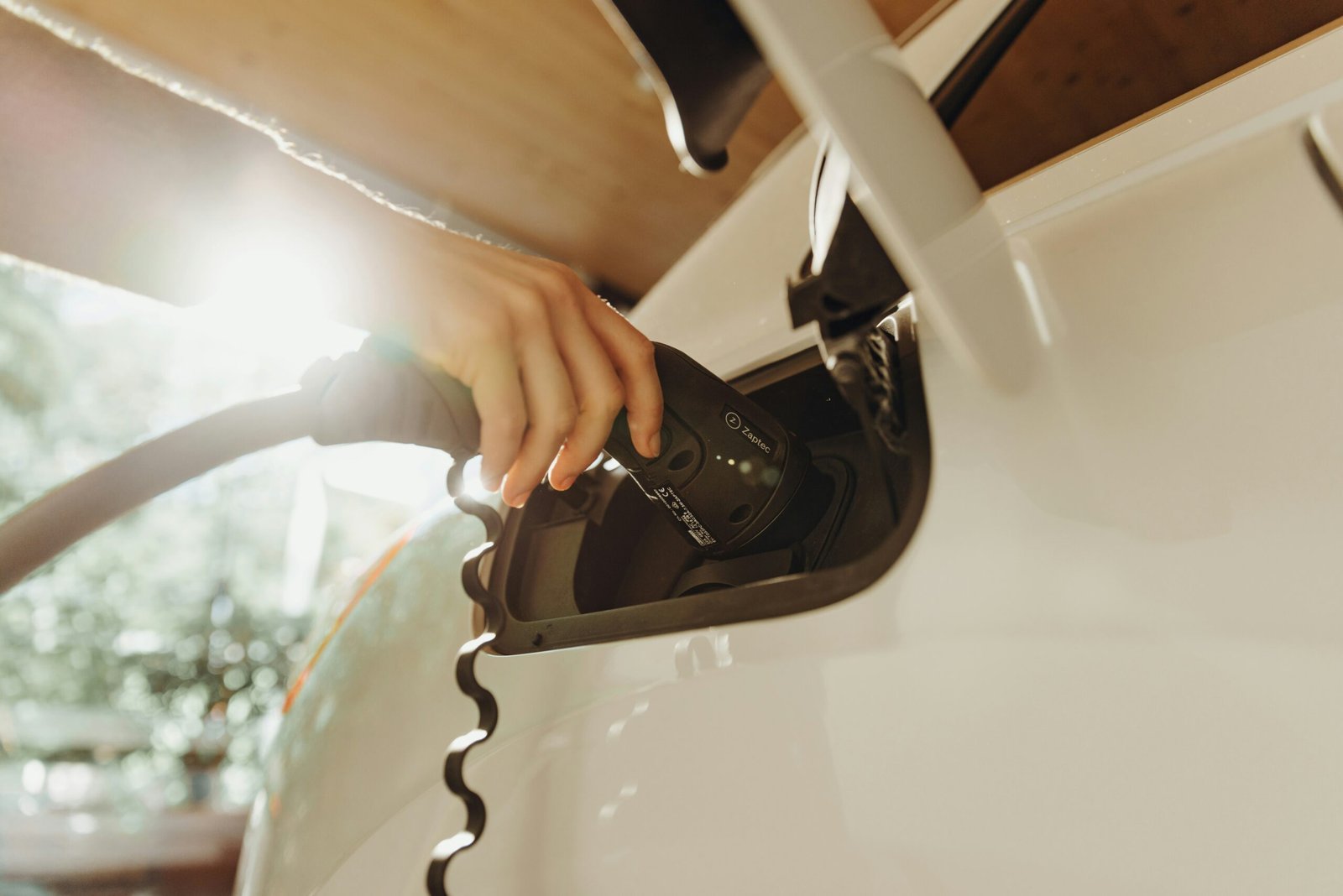
What about charging at home in the rain?
An outdoor home charger can be perfectly normal. The important question is not “is it outside?” It is “was it selected and installed for outside?” A properly installed wall unit is very different from trying to run a charging lead through a window, across a wet path, with a random extension cord doing its best.
For that reason, do not improvise with household extension leads for regular EV charging. Also, do not cover a charging unit or cable with a blanket, bin bag or homemade plastic tent in an attempt to make it extra dry. You can create heat and ventilation problems while solving absolutely nothing.
Worth saying twice
Use your car’s supplied charging equipment or an approved equivalent, and follow its manual. Your vehicle maker and charger maker know the exact limits of their hardware better than any generic internet guide does.
Rain might change your range, not your right to charge
Wet weather can make an EV use more energy, but usually not because the charger is having a rainy-day existential crisis. Cold temperatures, cabin heating, wet roads and wind can all affect efficiency. The range number may move around a bit — which is why your dash estimate is better treated like a forecast, not a contract.
We broke that down in our simple guide to EV range estimates. And if you are using a rapid charger in lousy weather, it is also useful to know why the number on the charger is not always the number your car receives.
When you should absolutely not plug in
- The cable, connector or charge port is visibly damaged.
- The equipment is submerged, surrounded by unsafe standing water, or has been hit by floodwater.
- You smell burning, see smoke, hear unusual buzzing or get a repeated fault warning.
- You need an unapproved extension, adapter or workaround to make it reach.
- The charger’s instructions say it is unavailable, out of service or not suitable for the conditions.
In any of those cases, the move is not “try it for five minutes.” Report the charger and find another one. A little patience is cheaper than an unsafe situation.
Plan one charging stop more than you think you need
Rain, wind and cold can all make a long EV journey less predictable. You do not need to panic-plan every kilometre, but a backup stop takes the pressure out of it. Our first EV road-trip lessons explain why that matters.
Quick FAQ
Will rain electrocute me when I plug in an EV?
Normal rain is not, by itself, a reason to avoid charging with intact vehicle and EV charging equipment. Do not use damaged, flooded or questionable equipment, and follow the instructions for your exact car and charger.
Can I leave my EV charging outside overnight while it rains?
Usually, yes, when the vehicle and charging setup are intended for outdoor use and are in good condition. Check the manual for your particular car and charging unit, especially if the equipment is portable.
Should I dry the connector before plugging in?
You should keep the connector reasonably clean and free of debris, but do not use heat, chemicals or improvised tricks. A little rain is normal; visible damage or contamination is not.
Would rain make you hesitate before charging your EV?
Tell us in the comments: “no problem,” “a little nervous,” or “I would wait it out.” This block is a conversation starter, not a recorded vote counter.
Source note: This is general safe-use guidance, not a substitute for your vehicle or charger manual. Use only undamaged, approved equipment and follow the instructions supplied by the vehicle and EVSE manufacturers. For a home installation, use a qualified electrician where local rules require one.
Bottom line: You do not need to sit in a wet parking lot waiting for a cloud to move on. Charge normally in ordinary rain — just do a quick condition check first, because rain is fine and broken equipment is not.