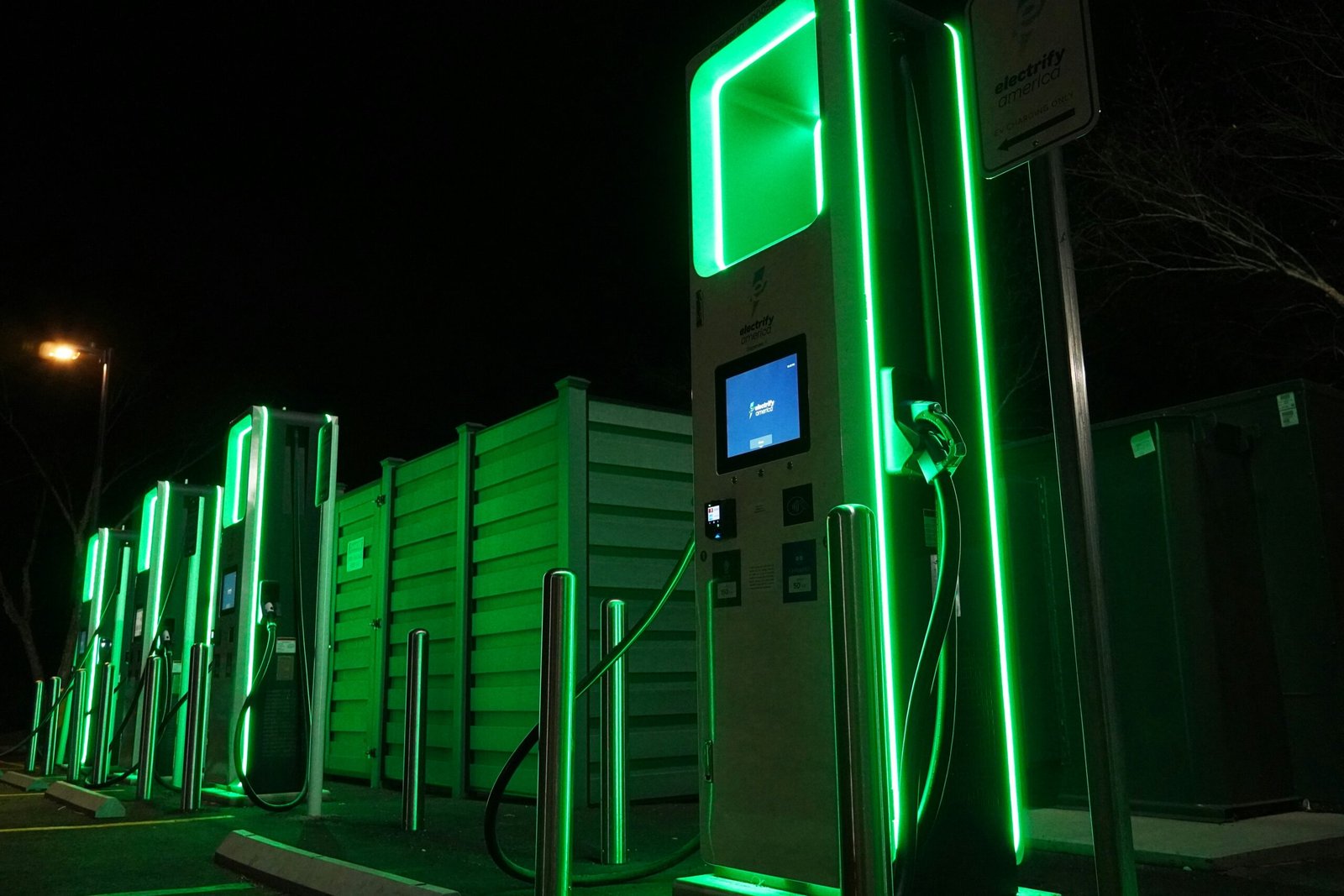


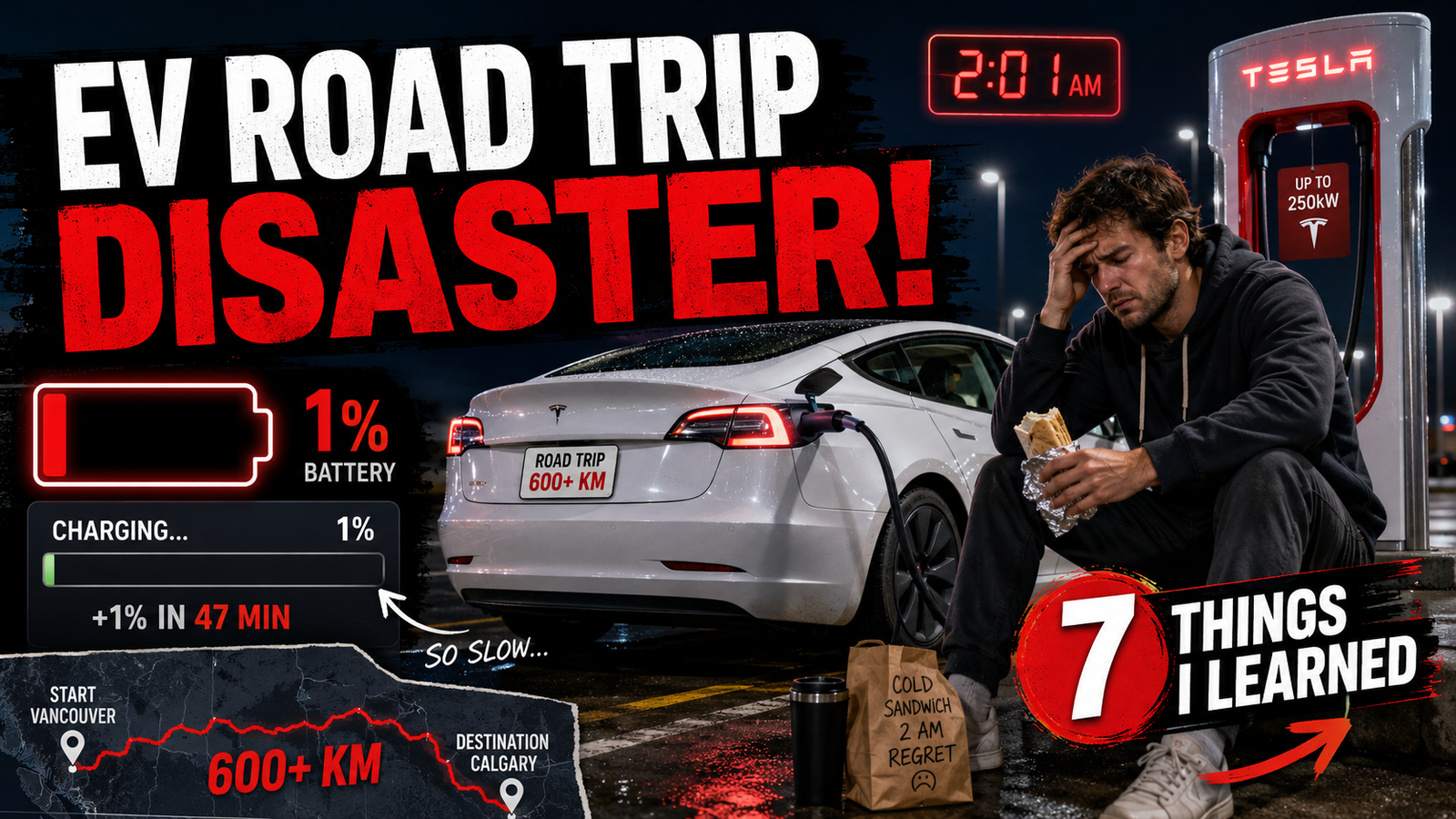
Okay so I need to get this off my chest first: I almost sold my Tesla Model 3 after my first long road trip in it. Not exaggerating. I was THIS close to listing it on OLX at 2am in a Chargepoint parking lot somewhere I’m not even gonna name, eating a cold sandwich, watching the charge percentage crawl up like 1% every four minutes.
It wasn’t the car’s fault. Let’s get that straight before anything else. It was me. I went into this whole EV road trip thing thinking “eh how different can it be from a petrol car.” Very different. Extremely different. I learned that the hard way over what was supposed to be a smooth 600+ km highway trip and turned into something closer to a survival documentary.
But here’s the thing — once I actually understood what I was doing wrong, the second trip I took (about a month later) was honestly… kind of amazing? Like genuinely enjoyable in a way petrol road trips never were. So I’m writing this not to scare you off EVs, but to save you from being me at 2am in a parking lot questioning your life choices.
Let’s get into it.
The Disaster, Quickly
I planned the trip the way I’d plan any road trip — look at the map, look at the distance, figure out roughly how long it’ll take, go. That’s it. That was my entire planning process. With a petrol car this works fine because gas stations are everywhere and filling up takes five minutes.
With an EV, this approach is basically planning to fail.
Here’s roughly what went wrong, point by point, because I think seeing it laid out helps more than me just complaining about it:
- I didn’t check if the charging stations on my route actually worked (one was straight up out of service, no warning, nothing)
- I left home at like 95% charge thinking that was plenty — it wasn’t, not for the route I picked
- I didn’t account for AC usage draining the battery faster (it was a hot day, obviously I had AC blasting)
- I assumed all fast chargers charge at the same speed (lol, no)
- I didn’t have a backup charging app downloaded, just relied on the car’s built in navigation
- I picked a hotel for an overnight stop that had zero charging nearby
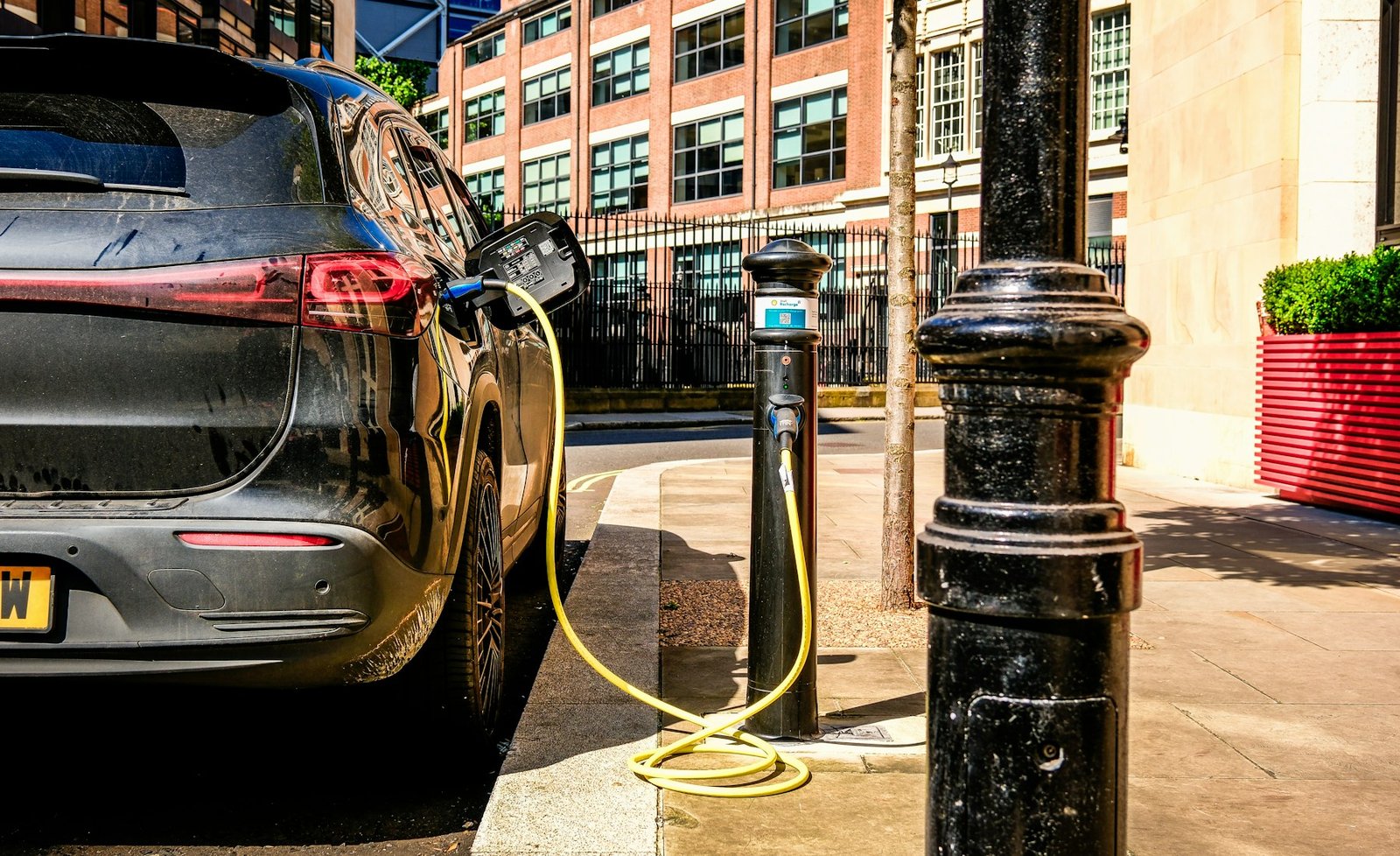
- I genuinely didn’t understand the difference between Level 2 and DC fast charging until that day
That’s a lot of mistakes for one trip. In my defense, nobody really tells you this stuff upfront. The car salesman definitely didn’t sit me down and explain charging curve behavior. So let’s go through what actually fixed things, because this is the part that matters.
Thing #1: Charging Speed Is Not Linear, And That Messed Me Up Bad
This is probably the single biggest thing that wrecked my first trip. I assumed if a charger says “250kW” then my car charges at 250kW the whole time until it’s full. Wrong. So wrong.
EV batteries charge fast up to around 80%, and then the speed drops off a cliff. Like seriously, going from 10% to 80% might take 25-30 minutes, but going from 80% to 100% can take almost as long as that whole first chunk. I didn’t know this and I sat there waiting for a “full” charge that I absolutely did not need.
Here’s roughly how it broke down for my Model 3 on a 250kW-rated charger (your numbers will vary a bit depending on battery temp, charger condition, etc., but the shape of this curve is pretty universal):
| Battery % | Approx Charging Speed | Time to Add 10% |
|---|---|---|
| 10% → 20% | ~230 kW | ~3-4 min |
| 20% → 40% | ~220 kW | ~7-8 min |
| 40% → 60% | ~180 kW | ~9-10 min |
| 60% → 80% | ~110 kW | ~14-15 min |
| 80% → 90% | ~50 kW | ~18-20 min |
| 90% → 100% | ~25 kW | ~30+ min |
See that last row? That’s where I wasted almost half an hour for literally no reason. The lesson here, and I cannot stress this enough: charge to 80%, unplug, and go. Only charge past 80% if it’s genuinely your last stop before reaching home or somewhere you can charge slowly overnight.
Thing #2: Not All Fast Chargers Are Actually Fast
Second mistake. I assumed “fast charger” meant fast charger, full stop. Nope. There’s a massive range depending on the network and the specific station.
| Charger Type | Typical Speed | Realistic Use Case |
|---|---|---|
| Level 1 (home outlet) | ~1.5 kW | Emergency only, basically useless for trips |
| Level 2 (home/public) | 7-22 kW | Overnight charging, hotel parking |
| DC Fast (older stations) | 50 kW | Okay in a pinch, slow for big road trips |
| DC Fast (modern) | 150-250 kW | This is what you actually want for road trips |
| Tesla Supercharger V3 | up to 250 kW | Most reliable option if you’re in a Tesla |
The frustrating part is a map will just show you a pin and say “DC Fast Charger” without telling you which tier it actually is until you arrive. I’d genuinely recommend cross checking on a dedicated app (something like A Better Route Planner, or PlugShare for reviews from actual humans who charged there recently) rather than trusting just one source blindly.
Thing #3: Heat And AC Eat Way More Battery Than You’d Think
It was a hot day, I had the AC on full blast the whole drive (because obviously), and I genuinely did not factor in how much that affects range. Petrol cars don’t really care, the engine’s making heat anyway. EVs do not have that luxury.
Rough numbers from what I experienced and also cross checked with other EV owners afterward, your range can drop somewhere between 10-20% in extreme heat or cold when running climate control hard. That’s not a small number when you’re already cutting it close on a charging stop.
My honest opinion here: don’t try to “save battery” by turning AC off in 40°C heat, that’s miserable and not worth it. Instead just build in the buffer when planning your stops. Better to arrive at a charger with 15% than push for 5% to save fifteen minutes of charging.
Thing #4: Always Have A Backup Charging App
I relied purely on the car’s built in trip planner. It’s actually pretty good most of the time, but the one time it sent me to a charger that was completely down with zero warning, I had no plan B and ended up burning almost 40 minutes figuring out the nearest alternative on my phone with low signal.
Now I always have at least two apps ready before I leave:
- The car’s native navigation (good baseline, factors in your actual battery usage)
- A community-driven app with real time reviews and “is this charger actually working” reports
This alone would’ve saved me probably an hour of stress on that first trip.
Thing #5: 80% Is The New Full Tank, Mentally Reframe This
I touched on this already but it deserves its own point because of how much it changes the entire road trip experience once it clicks. Stop thinking “I need to fill up to 100% like a gas tank.” Think of 80% as your real full tank for road trip purposes. The last 20% takes disproportionately long and you basically never need it unless your next stretch is unusually long with no charging options.
Thing #6: Book Hotels With Charging, Not Just Hotels With Parking
My overnight stop had parking. It did not have charging. I didn’t check this beforehand because, again, gas car brain — parking is parking, who cares. Huge mistake. I woke up the next morning at the same charge percentage I went to sleep with, and had to find a public charger before even properly starting the day’s drive.
Now I specifically filter hotel bookings for “EV charging available” or just call ahead and ask. Takes two minutes, saves you a genuinely annoying morning.
Thing #7: Plan For 20-25% More Charging Stops Than You Think You’ll Need
This is the meta lesson that wraps all the others together. Whatever your route planner says, mentally pad it. Chargers go down. Lines form (yes, EV charger lines are a real and growing thing). Weather changes range. Build slack into your schedule rather than planning the tightest possible route, because the tightest possible route falls apart the second one charger doesn’t cooperate.
So How Did Trip Number Two Go?
Genuinely smooth. Like, suspiciously smooth compared to trip one. I charged to 80% each time, used two apps cross checked against each other, picked a hotel with charging, factored in AC drain, and didn’t try to squeeze out the last 20% unless I absolutely needed it.
Here’s a rough side by side of how the two trips compared, just from my own notes:
| Metric | Trip 1 (Disaster) | Trip 2 (Smooth) |
|---|---|---|
| Total charging stops | 5 | 4 |
| Total time spent charging | ~3 hrs 40 min | ~1 hr 50 min |
| Unplanned detours | 2 | 0 |
| Stress level (my own rating, out of 10) | 9 | 2 |
| Cost per stop (rough average) | varies, paid premium at one station out of desperation | consistently cheaper, planned ahead for off-peak rates |
That charging time difference alone, almost two hours saved, is honestly the whole story right there. Same distance, same car, completely different experience purely because of planning.
My Honest Take On EV Road Trips Now
I’ll be straight with you, I was genuinely annoyed at EVs after trip one. Like ready to go back to petrol and call it a day. But the truth is the car was never the problem, my planning was. Once you actually understand how charging curves work, how to pick the right stations, and how to build in realistic buffers, an EV road trip isn’t harder than a petrol one. In some ways it’s better, you’re forced to take actual breaks every couple hours instead of pushing through tired, which honestly probably makes you a safer driver too.
Would I recommend a long EV road trip to someone doing it for the first time? Yes, but only if you actually read something like this first instead of winging it the way I did. Save yourself the 2am parking lot sandwich. Learn the charging curve, get a backup app, charge to 80%, and book hotels that actually support charging.
That’s really it. Not complicated once you know it, painfully complicated the first time you don’t.
If you’ve done an EV road trip yourself, I’d genuinely love to hear what went wrong for you too, because I have a feeling every EV owner has their own version of my parking lot story.