

The first week with an EV can make you feel like you suddenly need to become an electrician, a spreadsheet person, and maybe a part-time charging-station detective. You do not. But the home-charger question does matter, because it can either make EV life feel stupidly easy… or a bit annoying every evening.
Here is the honest answer: not everybody needs a Level 2 home charger right away. Some people do perfectly fine with the basic charging cable that came with the car. Others will wonder why they waited even two weeks to get a proper setup. The difference is usually not the badge on the front of your EV. It is your routine.
So instead of doing the usual “buy the biggest charger you can find” thing, let’s look at what actually changes the answer: how far you drive, how long the car sits parked, where you live, and whether you have a predictable life… which, okay, most of us only kind of do.
First, the boring terminology — just enough of it
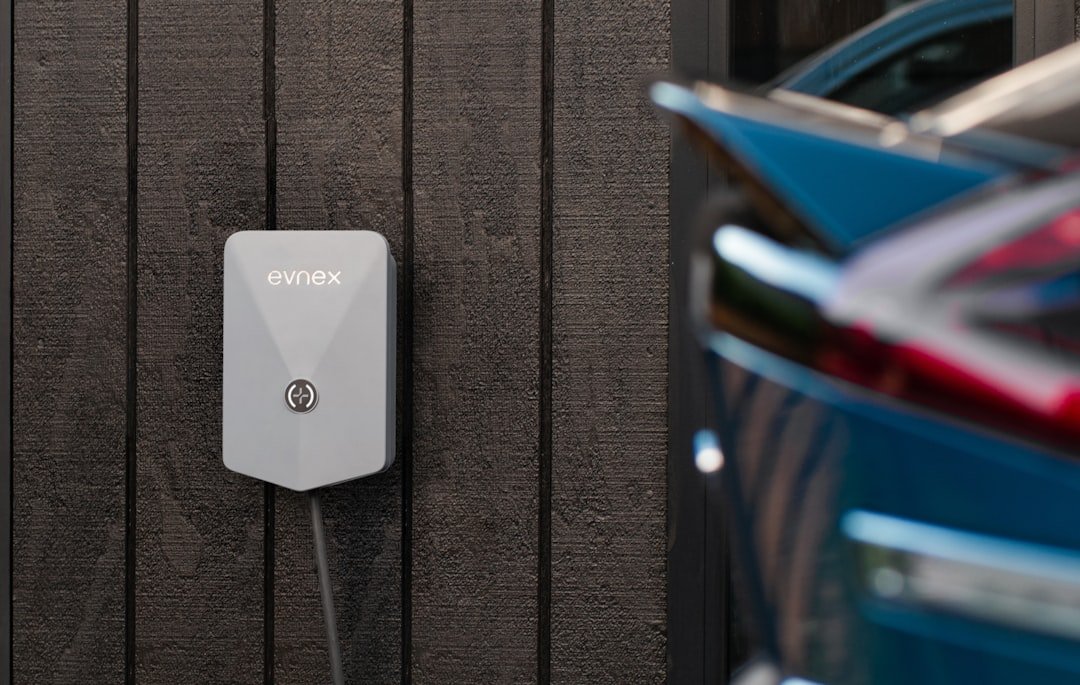
In North America, a normal wall-outlet charging setup is usually called Level 1. A faster home installation is usually called Level 2. Different countries use different plugs and electrical standards, but the big idea is basically the same: one option is slower and simple, the other gives you much more charging power at home.
Level 1 is not “bad charging.” It is just slower. The U.S. Department of Energy notes that many EV owners can cover normal daily driving by charging overnight with Level 1 equipment, as long as there is a suitable dedicated circuit close to where the car parks. Level 2 makes more sense when your schedule is less regular, your commute is longer, or the battery is large enough that an overnight top-up starts feeling tight. Their home-charging guide is worth reading before you spend money.
And small wording thing: people often call the wall box a “charger.” Technically, the car does part of the charging work too. Not important for daily life, honestly. Just do not assume a bigger wall box automatically means your particular EV will accept all of that power.
Quick takeaway
Do not buy a charger because somebody on YouTube said it is “mandatory.” Buy one when it removes a real problem in your week: not enough overnight range, too many public-charger stops, a long commute, shared-car use, or a charging routine that is becoming a pain.
The easiest way to decide: look at your parked hours
Forget the marketing numbers for a second. Ask one simple question: how many hours is my EV normally parked where I can plug it in? If the answer is ten or twelve hours most nights, slow charging can quietly do more work than people expect. You wake up, unplug, leave. No drama.
But if you come home late, leave early, drive a lot, and share the car with another person who also uses it heavily, that slow window shrinks fast. This is where Level 2 stops being a “nice gadget” and becomes proper quality-of-life equipment.
Also, do not judge from one unusually busy week. Think about your normal month. A charger decision should survive school runs, work commutes, rainy evenings, weekend errands, and that random day when somebody says, “let’s just drive three hours away.”
| Your situation | What is usually sensible | Why |
|---|---|---|
| Short daily driving + long overnight parking | Try Level 1 first | You may already recover your normal use while you sleep. |
| Medium or long daily commute | Level 2 is usually worth pricing | More reliable overnight recovery, especially on busy weekdays. |
| Large-battery EV or more than one EV | Plan a proper Level 2 setup | More flexibility, less charger juggling, less “who forgot to plug in?” energy. |
| Apartment, rented parking, no dedicated space | Start with building/work/public options | Installation permissions and wiring may matter more than the charger you pick. |
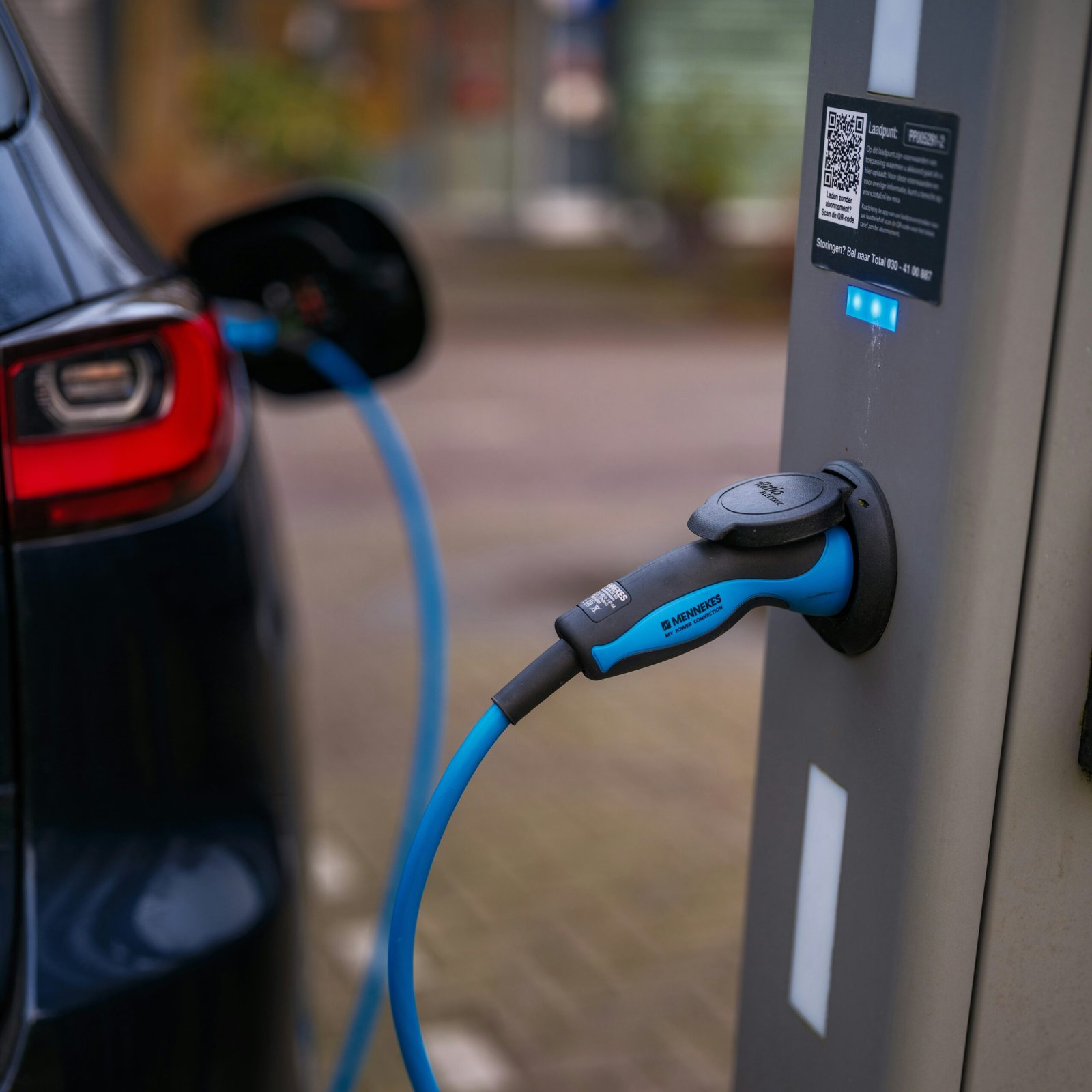
A Level 2 charger is not automatically the “best” choice
This sounds backwards because, yes, faster is nicer. But faster does not always mean smarter. If you drive a modest distance and your car sits twelve hours every night, paying for an electrical upgrade you barely use might not change your life much.
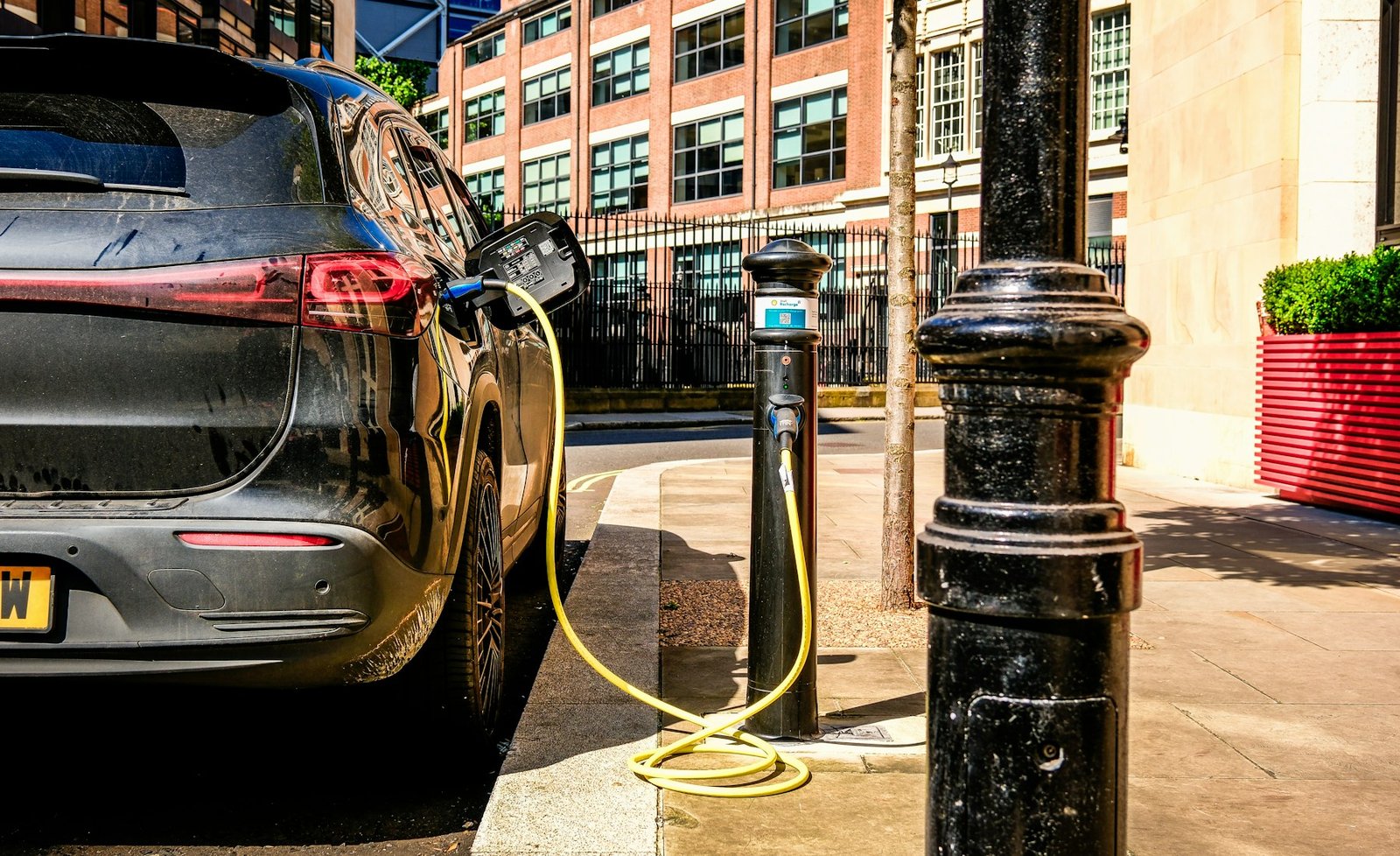
On the other hand, public chargers are not free therapy. They can be occupied, out of the way, or just one more thing to think about. The value of home charging is often not the speed. It is the quiet little feeling that your car is refilling while you are doing literally anything else.
If you are comparing electricity costs, do not overcomplicate it either. Look at your own electricity tariff, then check whether your utility offers an off-peak or time-of-use option. The Department of Energy notes that some utilities offer time-of-use rates or charging-related incentives. A charger that can schedule sessions may be useful, but only if your tariff actually rewards it.
The best EV charger is the one that gets you enough range for tomorrow without making tonight annoying.
Before you buy anything: check these 6 things
- Where you park: garage, driveway, assigned bay, shared carport — all different story.
- Distance from your electrical panel: longer runs can change installation complexity and cost.
- Your car’s AC charging limit: do not choose hardware based only on its biggest number.
- Plug location: check which side of the car the charge port is on. Seriously, do this before buying cable length.
- Local permits and rules: these can apply, especially for permanent equipment.
- Who will install it: use an appropriately qualified electrician who understands EV charging work.
That last point matters more than people think. The DOE says an electrician can assess whether your home has enough electrical capacity for Level 2 equipment, and that installations need to meet local rules and codes. It also recommends safety-certified equipment and a qualified electrical contractor. Boring advice? Yep. Still good advice.
Mini checklist for the electrician visit
- Show where the car normally parks.
- Tell them the EV model you own or plan to buy.
- Ask what charging rate your home can support safely.
- Ask about cable routing, outdoor equipment rating, permits and future expansion.
- Get the total price in writing — equipment, labour, permit work, everything.
What about apartments and rented homes?
This is where EV advice gets a little lazy online. “Just charge at home” is easy to say when you have a private garage. For apartment residents and renters, the real question is often access, permission and parking rules — not whether a wall box is technically good.
Start by asking your landlord, building manager or HOA what is allowed. You may have options you did not know about: assigned parking, a shared charging plan, workplace charging, or a nearby public charger that fits your normal routine. The goal is not to build the perfect charging setup. It is to build one that you can actually use without headaches.
And remember, you can own an EV without a home charger. Plenty of people do. It just asks for more planning. For new owners, our guide on avoiding common EV road-trip mistakes is useful because the same basic habit applies: do a tiny bit of planning before the battery becomes the main character of your day.
Will a home charger help battery health?
Usually, the bigger benefit is convenience, not some magical battery-health hack. Slower AC charging at home can be a very relaxed way to refill your car, but you do not need to fear public DC fast charging either. Use the option that makes sense for the day.
For the battery side of this, the useful habits are still the boring ones: follow your car maker’s charge-limit guidance, avoid leaving the battery very full or very empty for long periods when you can help it, and do not panic over every small range change. We covered that in more detail in our EV battery health guide.
Reader question (not a live poll)
What is your current charging setup? Level 1 at home, Level 2 at home, apartment/public charging, or still deciding? Drop it in the comments — this page is not recording votes, but real setups help other new EV owners a lot.
Quick FAQs
Can I charge an EV at home in the rain?
Properly installed outdoor-rated charging equipment is designed for outdoor use. The Department of Energy notes that outdoor installation and use can be safe, including in rain, when the equipment is appropriately rated. Follow the manufacturer instructions and local installation rules.
Should I install the most powerful home charger possible?
Not automatically. Your EV’s onboard charging capability, your electrical capacity and your actual daily driving matter more than a giant number on the product box.
Is Level 1 charging enough for a daily commuter?
It can be. If your daily driving is modest and the car is parked for many hours overnight, Level 1 may cover your needs. Test your normal routine before assuming you need an upgrade.
Can a renter install a home EV charger?
Maybe, but permission, parking rights, building wiring and local rules all come into play. Start with the landlord or building manager before buying hardware.
The real bottom line
A home EV charger is one of those purchases that can be either completely worth it or totally unnecessary — depending on your week. There is no trophy for buying the biggest one. And there is no shame in using the cable that came with the car for a while.
Try to solve tomorrow morning, not every imaginary problem for the next ten years. If you wake up with enough range, your setup is working. If you keep thinking about charging, then yes, it is probably time to make home charging easier.
One last thing: the car’s estimated range will still move around with weather, speed and driving style, even when your charging setup is perfect. That is normal. Here is why the range number on your dash behaves more like a forecast than a promise.
Research note: Home-charging safety and setup points in this article were checked against the U.S. Department of Energy Alternative Fuels Data Center’s Charging Electric Vehicles at Home guidance. Always confirm your EV manufacturer requirements, local electrical code and installer advice before buying or fitting equipment.