


There is this moment almost every EV owner gets. You open the app, see your range is a little lower than it was few months ago, and suddenly your brain goes: great, the battery is dying.
Most of the time, it is not that dramatic. Weather changes, cabin heating, tyres pressure, driving speed, even the last few trips you did can change the estimate. EV range number is not a blood test. It is more like a guess from the car, sometimes a smart guess, sometimes not so smart.
Still, batteries do age. They are not magic. And how you charge, park and use the car can make the aging slower or faster. You do not need to treat your EV like it is made of glass though. You just need a few normal habits.
First: stop chasing 100% every day
For daily driving, charging to around 70–80% is usually a comfortable place for many EVs. It leaves enough range for normal life, but avoids keeping the battery sitting at the very top for too long. That last bit near 100% is useful, but it is not where lithium-ion packs are most relaxed.
Now, important part: some EV makers actually recommend a higher daily limit for certain battery types, especially LFP packs. So do not copy somebody’s Tesla screenshot and call it science. Open your own car manual or app, see what the manufacturer says for your battery.
Going to 100% before a road trip? Totally fine. Just try to finish charging close to when you leave, instead of charging it full tonight and leaving it parked in hot sun until tomorrow evening. Small difference, but it is a good habit.
Fast charging is not evil. Living on it maybe is.
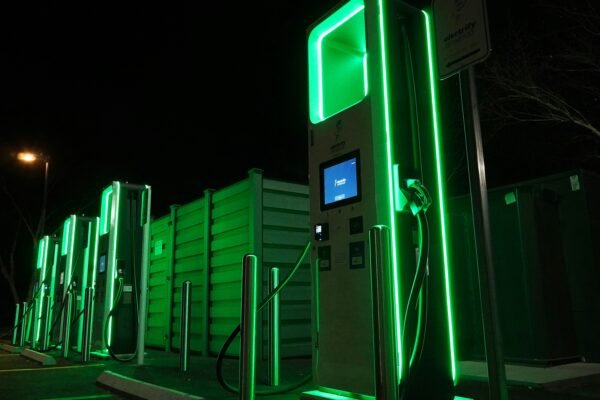
DC fast charging is one of the best things about EV ownership. You can drive far, plug in, grab a tea, and keep moving. Nobody needs to feel guilty for using it.
But if every single charge is a high-power charge, day after day, the battery sees more heat and more stress. Modern cars manage this much better than early EVs did, still physics has not changed. Heat is one of the main things batteries do not love.
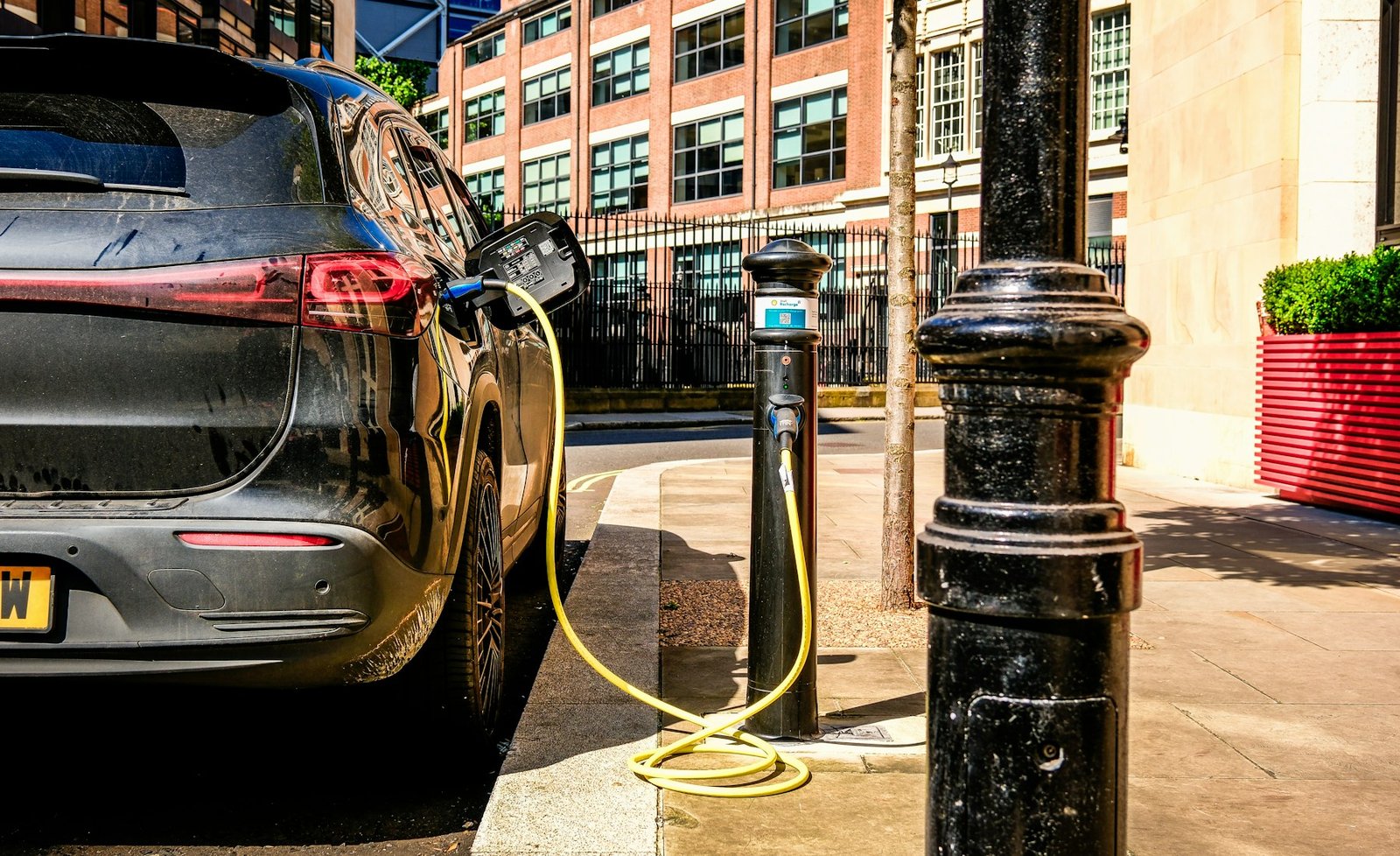
My simple rule would be this: use home or slower AC charging when it fits your routine, and use fast charging for travel, busy days, or when you genuinely need it. That is it. No need for weird rituals.
Heat matters more than most people think
A battery likes moderate temperatures. Very cold weather mainly hurts range for the moment, because the pack has to warm itself and the cabin needs energy too. Extreme heat is more of a long-term concern, especially if the car sits fully charged outside for long periods.
If you have a garage or shaded parking, use it in hot months. If your car has scheduled charging, let it finish nearer departure time. And after a hard motorway run in summer, it is okay to let the car cool down instead of instantly forcing another big fast-charge session.
None of this means your EV will fall apart because you parked at a mall. It just means, when you have an easy choice, choose the cooler option.
Do not leave it nearly empty for weeks
People talk a lot about not leaving an EV at 100%, but the opposite extreme is also not great. If you are travelling or not using the car for a while, do not park it at 2% and hope for the best. The car still uses a small amount of power for systems in the background.
A middle level is normally safer for storage. Somewhere around 40–60% is a common practical target, unless your vehicle manual says different. Check the app once in a while, especially in very hot or very cold weather.
Range loss is not always battery degradation
This one is huge. You might see less range because of:
- cold mornings and cabin heating
- running low tyre pressure
- driving faster than usual
- roof racks, cargo or more passengers
- a dirty or wet road
- recent short trips where the car had to warm up again and again
Before you panic, check real consumption in kWh per 100 km or Wh per mile. Compare similar weather, similar roads and similar driving speed. The dashboard range estimate alone can be a bit moody.
Battery health check: what is worth watching?
You do not need to run a battery report every Sunday. But once or twice a year, it can make sense to look at your car’s battery health screen, service menu, or a trusted diagnostic tool if your model supports it.
What you are looking for is not perfection. A little decline over time is normal. What deserves attention is a sudden big drop in usable range, repeated charging errors, warning messages, or a car that starts limiting power in normal conditions. That is when you book a proper inspection, not when the app estimate is 8 km lower after a rainy week.
The boring maintenance stuff helps too
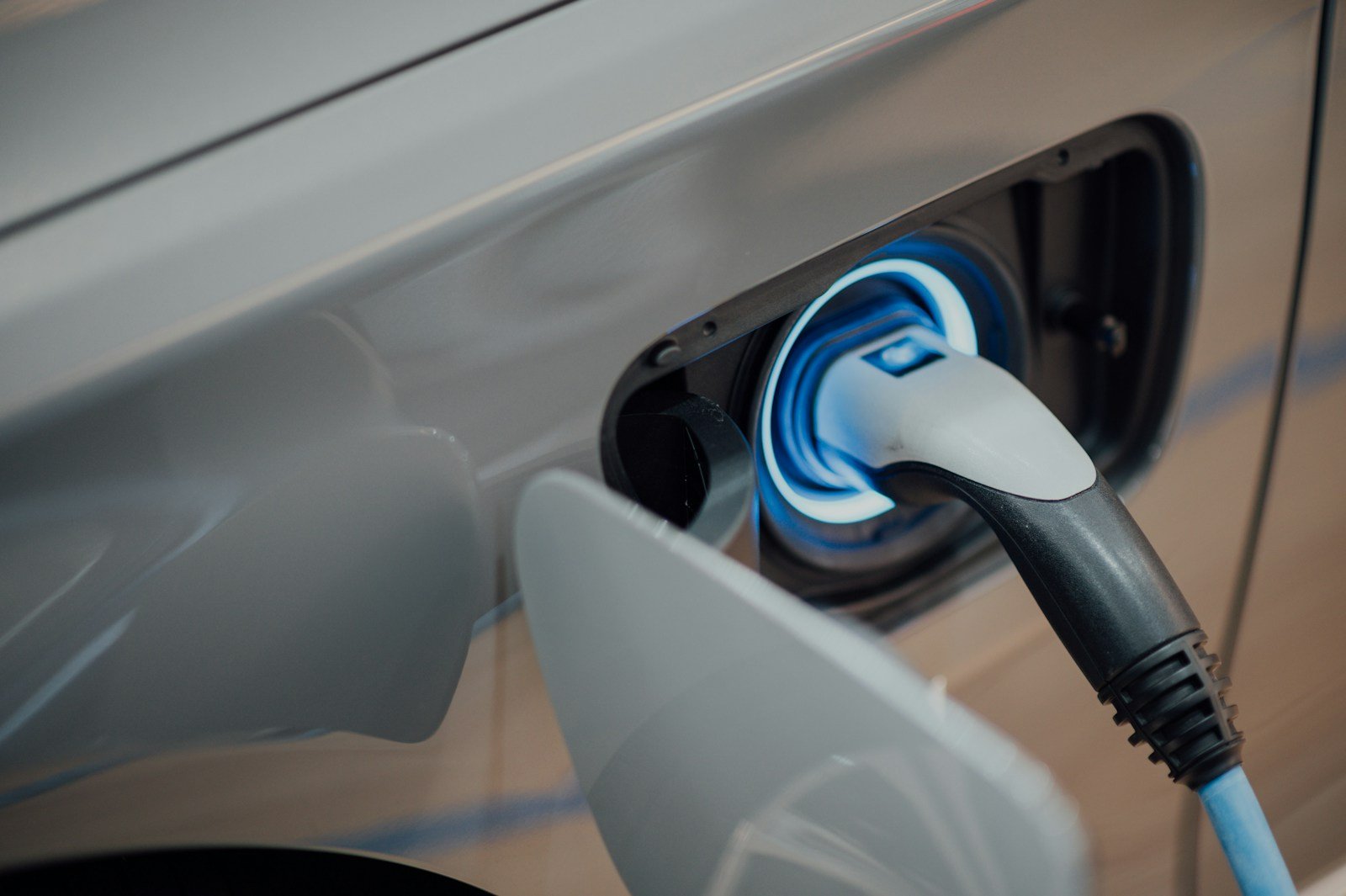
Yes, EVs have fewer moving parts. No, they are not maintenance-free spaceships. Keep tyres at the right pressure. Do not ignore coolant warnings on cars that use liquid battery cooling. Keep the charging port clean and dry. Update the software when the manufacturer releases useful fixes.
And drive it. Batteries generally prefer being used normally over sitting unused for months. The best battery routine is usually the one that fits your life without making you stressed about percentages all day.
The bottom line
Your EV battery is not as fragile as internet comments make it sound. Charge sensibly, avoid leaving it full or empty for long time, do not make fast charging your only plan, and give it shade when you can. That’s really most of it.
Own the car. Use the car. Enjoy the quiet drive. Just be a little smarter with the battery, and it will probably take you much farther than your early range-anxiety brain thinks.