

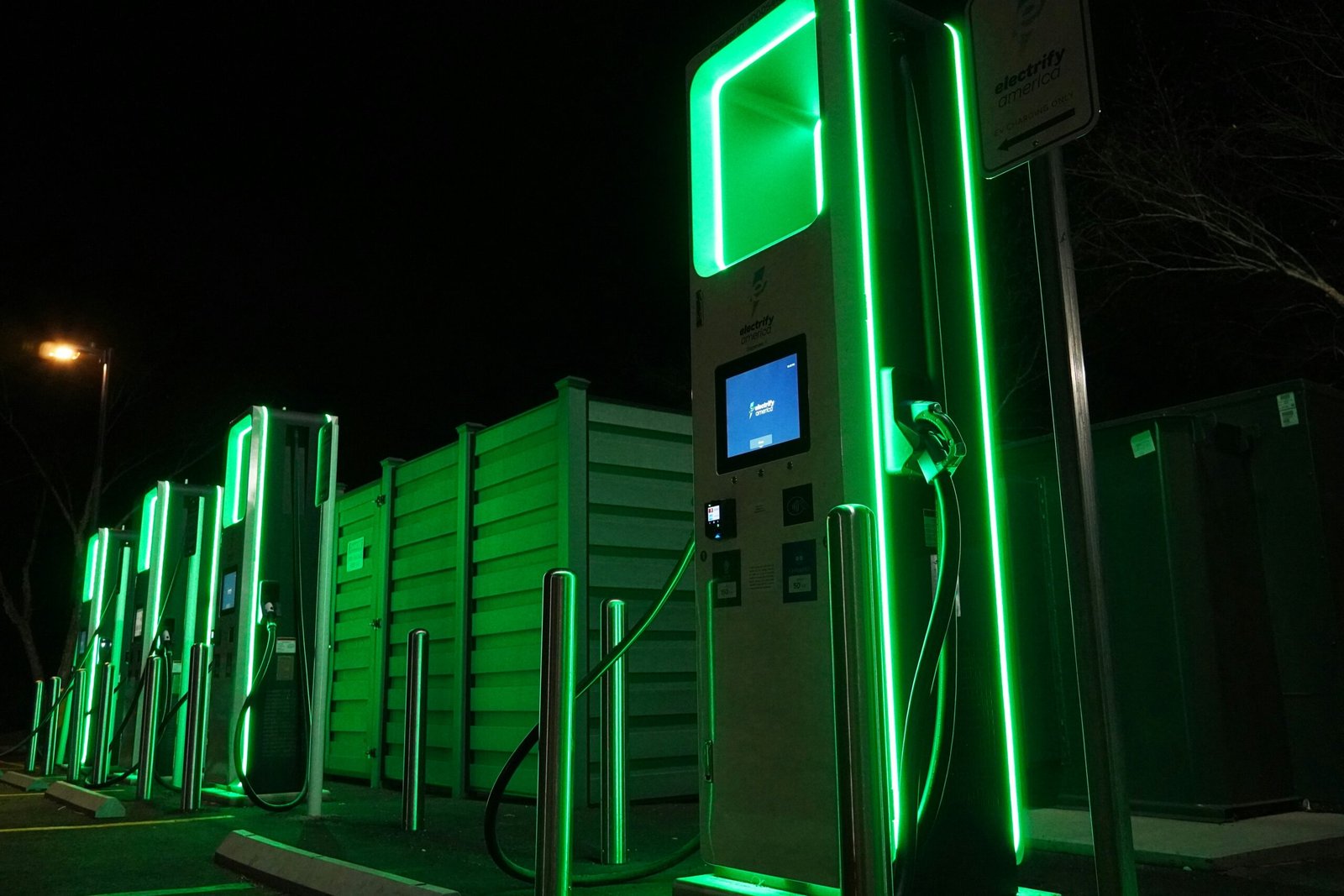
I used to treat 100% like the finish line. If the battery icon was not completely full before I left a fast charger, I felt weirdly irresponsible. Like I had left a petrol station with the pump still in my hand.
Then one long drive taught me the mildly annoying truth: on a road trip, charging all the way to 100% at every fast stop can turn a decent day into a lot of standing around, pretending I absolutely needed another coffee.
A full battery is sometimes exactly the right call. But when a reliable next charger is within reach, leaving earlier can be quicker, calmer and honestly less boring.
The habit I had to unlearn
My old plan was simple: stop, plug in, get it all the way full, then drive until the battery was low enough to make me nervous. It sounds sensible on paper. I was trying to maximise every stop, right?
But fast charging is not a straight line. The big number on the charger is a ceiling, not a promise, and power can change with the car, battery temperature and state of charge. The U.S. Department of Energy makes the same point in its charging guide: DC charging power varies by vehicle and battery state of charge. That little detail changes the road-trip maths quite a bit.
So my car would charge briskly at the start, then slowly get more and more stubborn as the battery filled. By the time I was hovering in the high 80s or 90s, I was usually adding less useful driving time per minute than I was earlier in the session. It was not broken. I was just asking it to do the slow part because the number 100 looked emotionally satisfying.
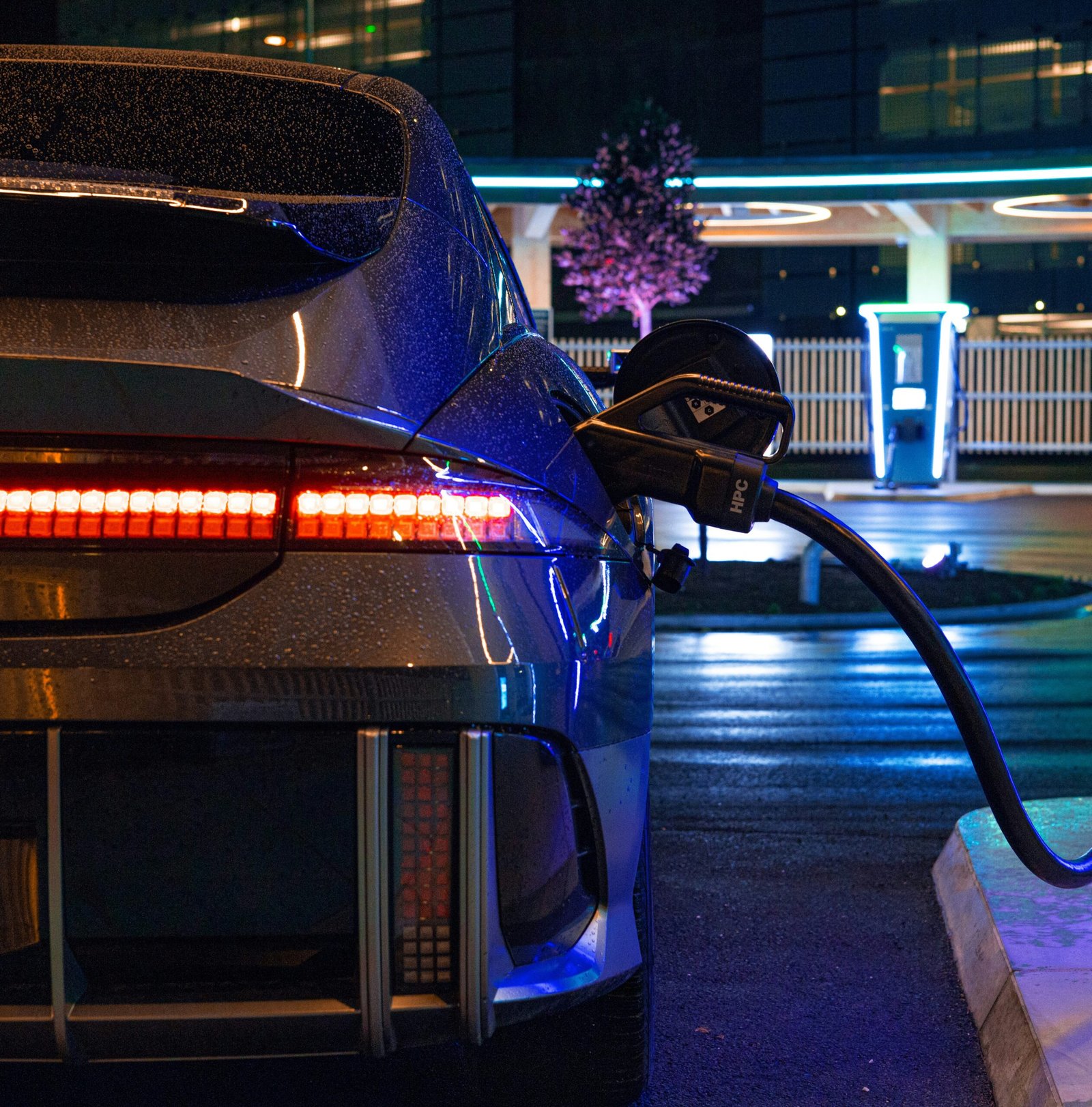
My new rule is not always stop at 80%
People love saying just charge to 80%. It is useful shorthand, but it is not a law of nature. Some cars are still fairly quick past 80%. Some routes have huge gaps. Some chargers are questionable enough that leaving one early feels like tempting fate. And some days you simply want the extra buffer because rain, wind, traffic or a fussy passenger has already stolen enough of your mental energy.
The better rule is: leave when you have enough energy to reach the next good option with a boring, comfortable margin. That is it. Not a heroic 2% arrival. Not a trophy screenshot of 100%. Just enough.
| Situation | What I usually do now | Why |
|---|---|---|
| Reliable chargers ahead, normal weather | Leave before the slow top-up zone becomes painful | More time driving, fewer long charging stops |
| Long charger gap or an uncertain destination | Take more charge, sometimes all the way full | A sensible buffer beats clever-looking efficiency |
| Cold, wet or very windy day | Build in extra margin and check the route again | Real-world range can move around more than you expect |
| I need a break anyway | Stay longer if it makes the rest of the day easier | The goal is a better trip, not winning a spreadsheet |
The bit that made road trips feel normal
Once I stopped making every charging stop a full refill, the route got simpler. I would plug in, use the bathroom, answer a few messages, grab something to eat, then look at the navigation estimate instead of the giant percentage on the screen. If the next stop looked comfortably reachable, I left.
That also made me use the car’s route planner more seriously. Most EVs are better at this than people give them credit for, especially when they know your current battery, the route and the charging network. I still cross-check, because I am human and apps occasionally have their little moments. But navigation is much more useful than blindly aiming for a round number.
This connects with two other lessons I learned the hard way: the range number on your dash is a forecast, not a contract, and a 350 kW charger does not magically give every EV 350 kW. If either part feels confusing, read our guides on why your EV range estimate behaves like a weather forecast and why a 350 kW charger may not deliver 350 kW to your car.
When 100% is absolutely the right move
I do not want this to become one of those EV articles that makes normal people feel bad for doing a normal thing. Charging to 100% is not a crime. It is the right choice when you need the range, when the next charger is far away, when you are heading into remote country, or when you will not be able to charge again for a while.
It can also make sense when you are plugged in overnight and the car is ready to leave near the time you set off. Your own manufacturer’s guidance should lead here, particularly for routine daily charging versus trip charging. For a bigger-picture look at gentle battery habits without turning ownership into a part-time job, see our EV battery health habits guide.
- The next dependable charger is a long way off.
- You are driving through a sparse or unfamiliar charging area.
- Weather, elevation, towing or speed is likely to eat into range.
- You need to arrive with a healthy reserve and cannot charge there.
- You are charging overnight and leaving soon after.
What I check before unplugging now
Before I drive away
- Is the next planned charger actually open and compatible?
- Do I have a cushion beyond the bare minimum arrival estimate?
- Has the weather changed since I started the route?
- Am I heading somewhere with no convenient backup charger?
- Would another 10 minutes here genuinely make the next leg easier?
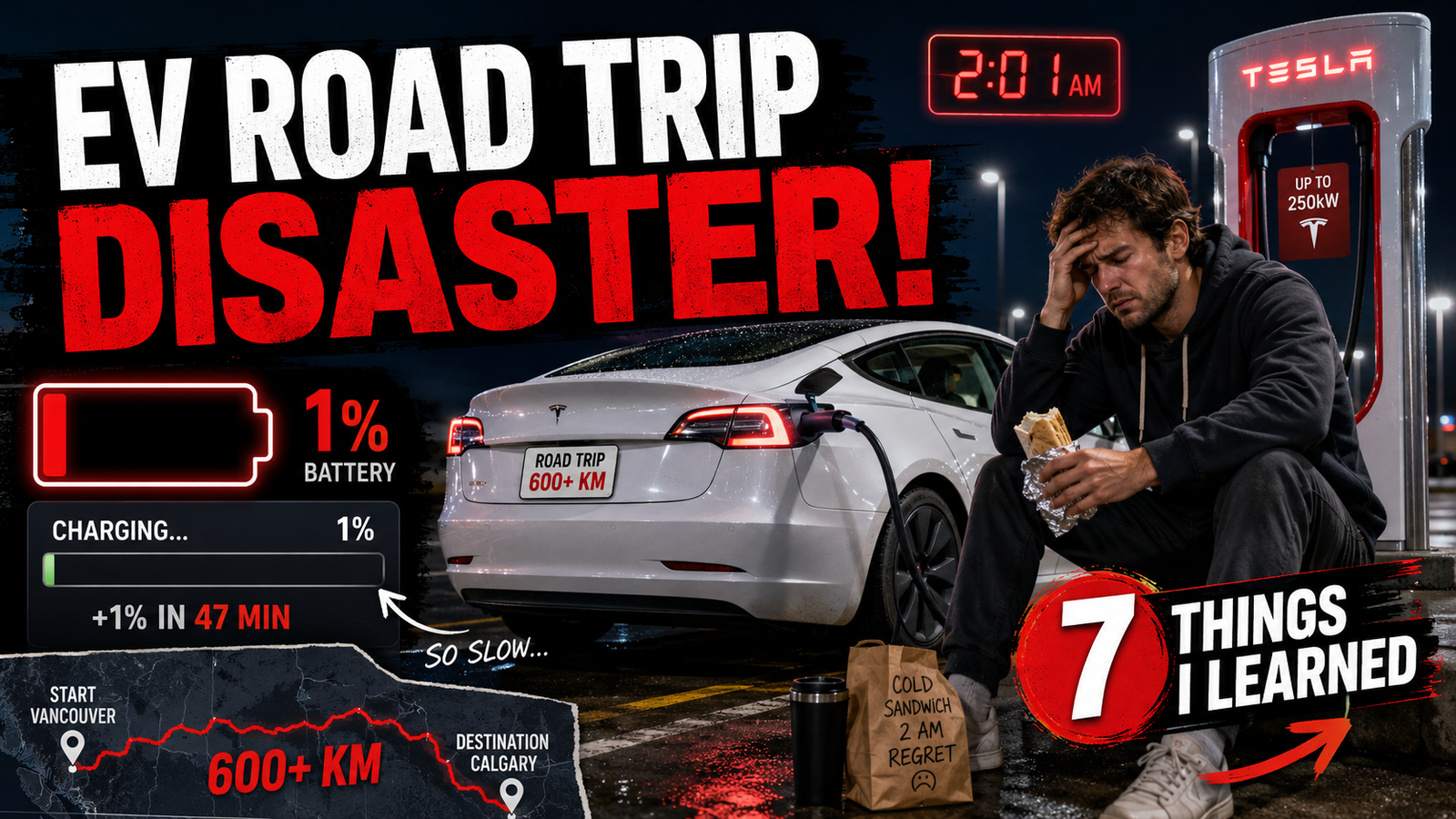
For a first trip, I would also read these seven lessons from a first EV road trip that went very wrong before it got better. It is reassuring mainly because nobody needs to learn all of this at 2 a.m.
FAQ: should you charge an EV to 100% on a road trip?
Is it bad to charge an EV to 100%?
Not automatically. Many EVs allow it and it is sensible when you need the range. Follow the guidance for your specific model, especially for everyday charging habits.
Why does DC fast charging slow down near the top?
Charging power can vary with vehicle design, battery temperature and state of charge. The exact behaviour is different across EVs, which is why a charger’s headline rating is not a guaranteed speed.
What percentage should I leave a fast charger with?
There is no magic number. Leave with enough energy to reach the next reliable option with a comfortable buffer for real conditions. The best percentage depends on the route, weather, your EV and the chargers ahead.
What do you usually do at a fast charger?
This is a comment prompt, not a live vote counter. Are you a leave at 60–80% and keep moving person, a fill it completely person, or a proud chaotic in-between driver? Tell us why in the comments.
Source note: U.S. Department of Energy guidance explains that DC fast-charging times vary with factors including vehicle capability and battery state of charge, and that charging power varies by vehicle and state of charge. Read the Alternative Fuels Data Center charging overview for the technical basics. The practical rule in this story is an ownership strategy, not a universal percentage prescription.
Bottom line: I still charge to 100% when the trip actually needs it. I just stopped doing it because a round number made me feel safe. Most of the time, a sensible buffer and one more planned stop gets me there faster — with fewer snacks purchased purely to justify waiting beside a charger.