


You are parked a little too far from the outlet. The charging cable is almost long enough. Then your brain notices that extension cord hanging in the garage and starts doing the kind of maths that normally ends with: it will probably be fine.
For routine EV charging, that is usually not the move. The useful answer is: do not add a regular extension cord unless the instructions for both your EV charging equipment and the cord explicitly allow that exact setup. If the cable does not reach, the real fix is normally a better parking position, a suitable outlet in the right place, or a properly installed home charger.
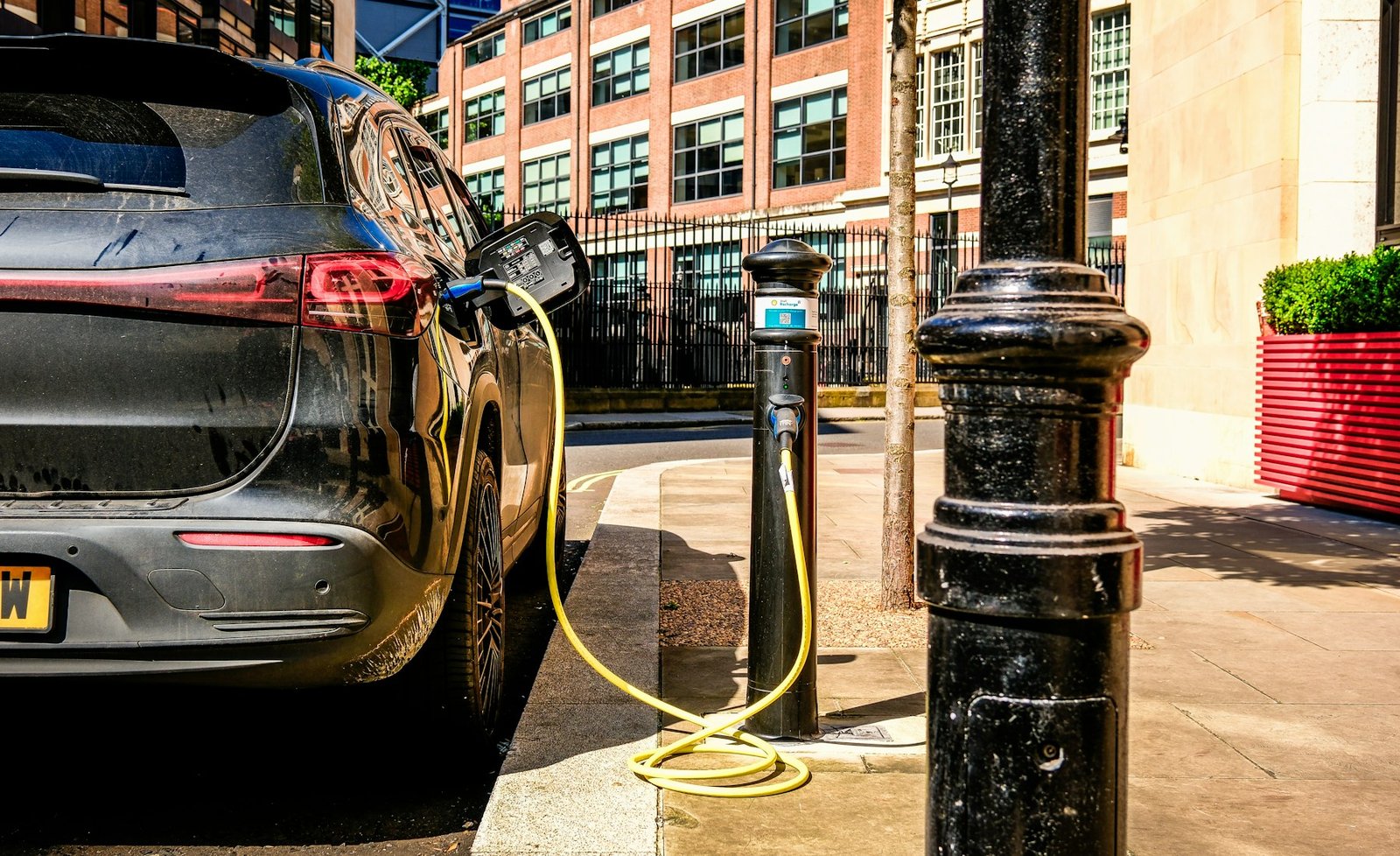
An EV can pull power for hours, not a few minutes. A random extension lead adds extra connection points, more chance of heat, and a cable lying somewhere it can be crushed, pinched or soaked. It turned on is not the same as this is a good charging setup.
Why this is more serious than charging your phone
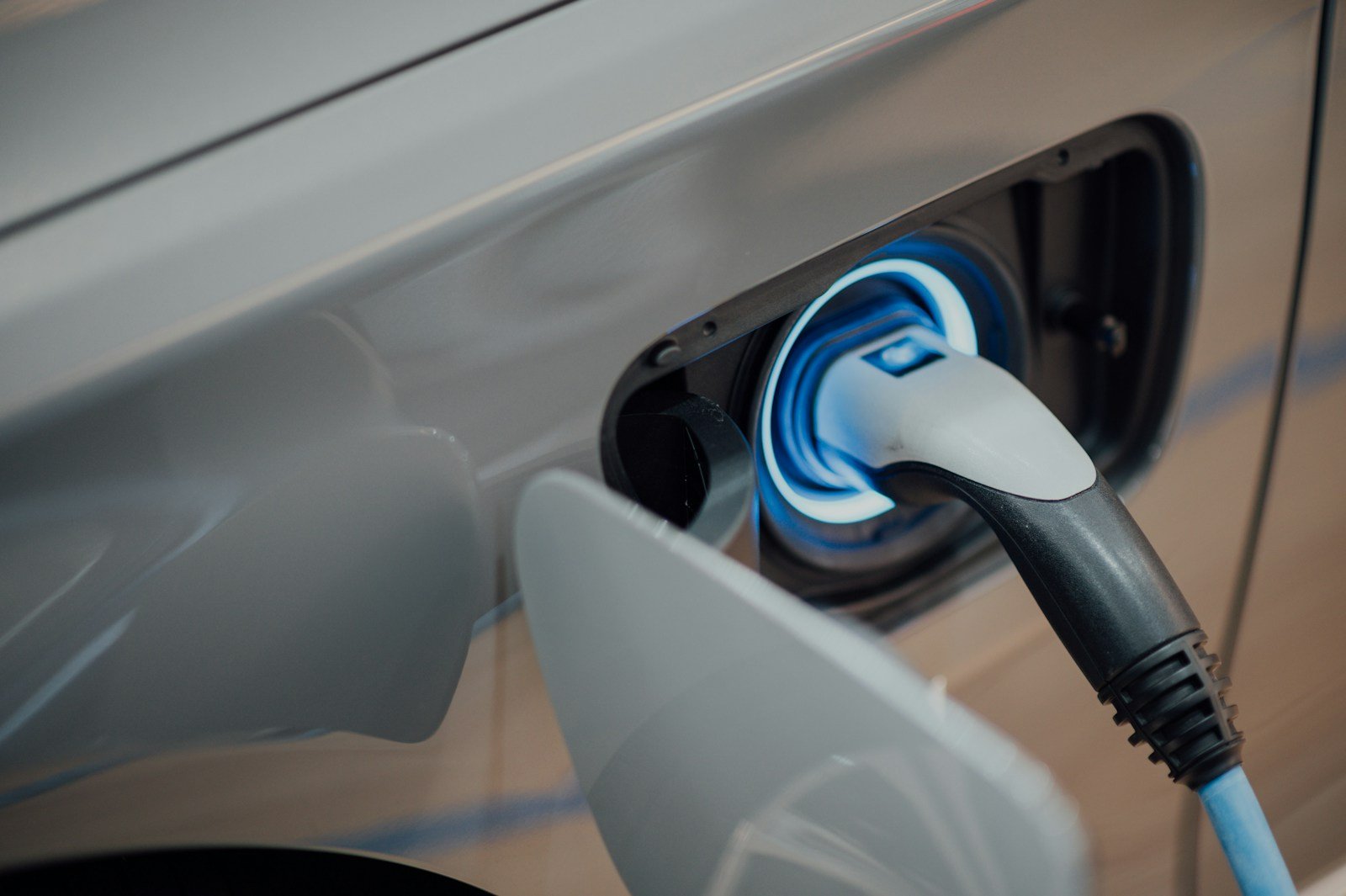
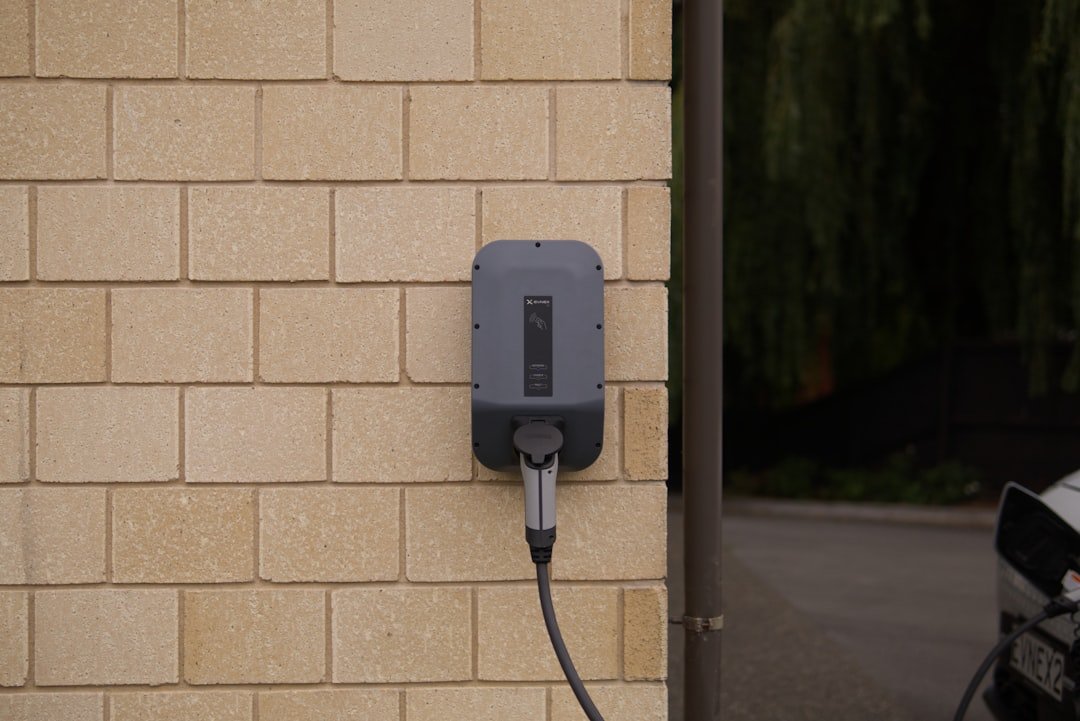
People sometimes call the whole thing a charger, but the portable cable with the chunky box is safety equipment too. It communicates with the car, watches the connection, and is designed around a particular plug, socket and current limit. Adding another cable in the middle changes the setup the manufacturer designed and tested.
The other difference is time. A phone charger gets a break. EV charging can run while you sleep, which means a loose outlet, tired connector or unsuitable extension lead can sit under load for a long time before anybody notices. That is exactly the type of boring problem you do not want happening at 2:40 a.m.
What can go wrong with an extension cord?
There is no need to get dramatic, but there are a few very normal reasons electricians dislike this as a daily plan. Every extra plug-and-socket connection is another place that can become loose or warm. A longer cable also creates more electrical resistance. Add an older wall outlet, a cable under a garage door, or rain drifting across a driveway, and suddenly the quick workaround is doing too much work.
Some extension cords are made for lamps, tools used briefly, or light outdoor jobs. That does not automatically make them suitable for hours of EV charging. The label, wire size and outdoor rating matter, but the bigger point is still simple: the car and EVSE manuals decide what is permitted. Do not treat a thick-looking cable as a safety certificate.
| Situation | Tempting shortcut | Better next move |
|---|---|---|
| Outlet is just out of reach | Use any extension lead from the shed | Reposition the car or arrange a correctly located outlet |
| Charging at a rental or friend's house | Run a cable through a window or doorway | Use a direct approved outlet, or choose public charging for that stop |
| Outlet feels warm, loose or looks damaged | Lower the current and hope | Stop charging and have the outlet inspected |
| Public cable will not reach | Use an unapproved extender | Try another bay or use a different site |
But I only need it once
That is the only bit where this becomes less black-and-white. Some vehicle or portable-EVSE instructions may spell out an approved temporary arrangement. Many do not. The answer is not to collect advice from a comment section and build your own electrical standard in the driveway. Check the exact manual for your model and charging equipment first.
Even then, stop immediately if a plug, outlet, cable or adapter gets hot, smells odd, looks discoloured, feels loose, trips a breaker, or keeps interrupting charge. Those are not EV quirks. They are reasons to unplug, not reasons to try again with more confidence.
The cheap fix that usually becomes the expensive fix
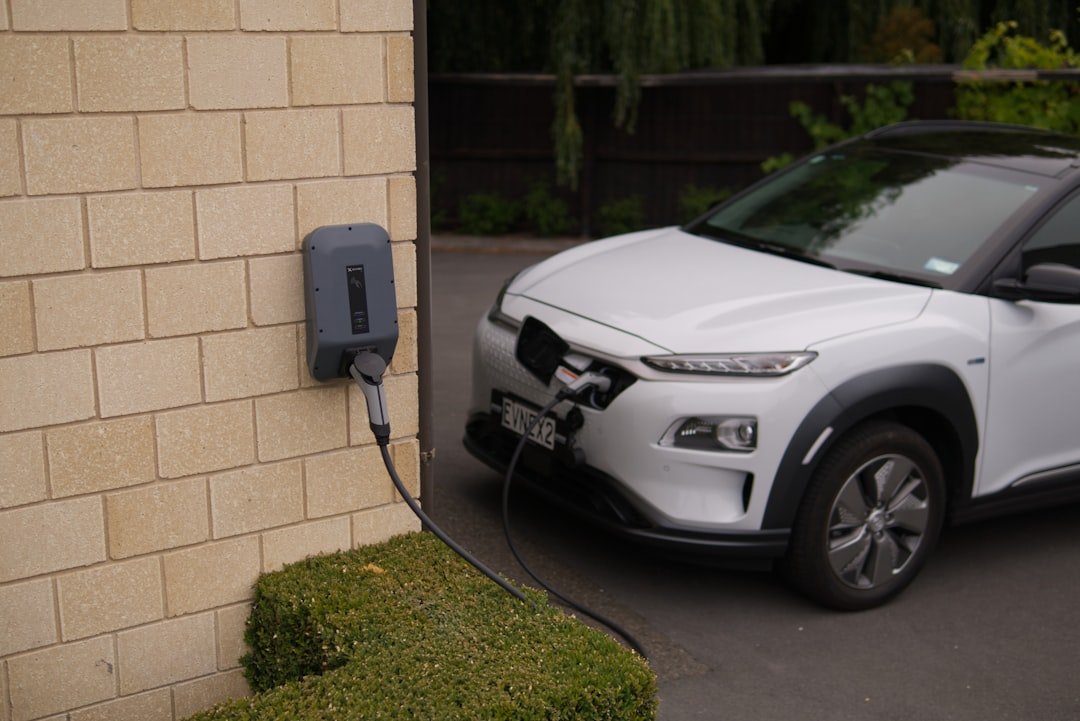
This is why a home-charging setup is worth thinking through before buying more accessories. You may not even need a wallbox; plenty of drivers are fine with a normal plug-in routine when their mileage is modest. But the outlet needs to be in good condition, in a sensible location, and suitable for the equipment you are actually using. Our guide on whether you really need a home EV charger helps with that decision without trying to sell you one.
If you do want a permanent charging point, get a qualified electrician to look at the parking position, cable run, local rules and the electrical capacity of the property. That sounds less fun than buying a giant reel of cable. It is also the setup you can trust on a normal Tuesday night, which is kind of the whole point.
Quick home-charging check
- Use the charging equipment and outlet exactly as their instructions describe.
- Keep the cable away from doors, tyres, standing water and places people walk.
- Do not use a damaged, loose, hot or discoloured plug or outlet.
- Do not make an extension lead your everyday plan.
- When in doubt, stop and get the setup checked by a qualified electrician.
Rain does not make a shortcut safer
Rain itself does not mean an EV is unchargeable; properly rated vehicle charging equipment is made for normal outdoor use. But wet weather is absolutely not a reason to add a questionable extension cord, leave connectors on the ground, or ignore damaged equipment. For the calmer version of that topic, see our guide to charging an EV in the rain.
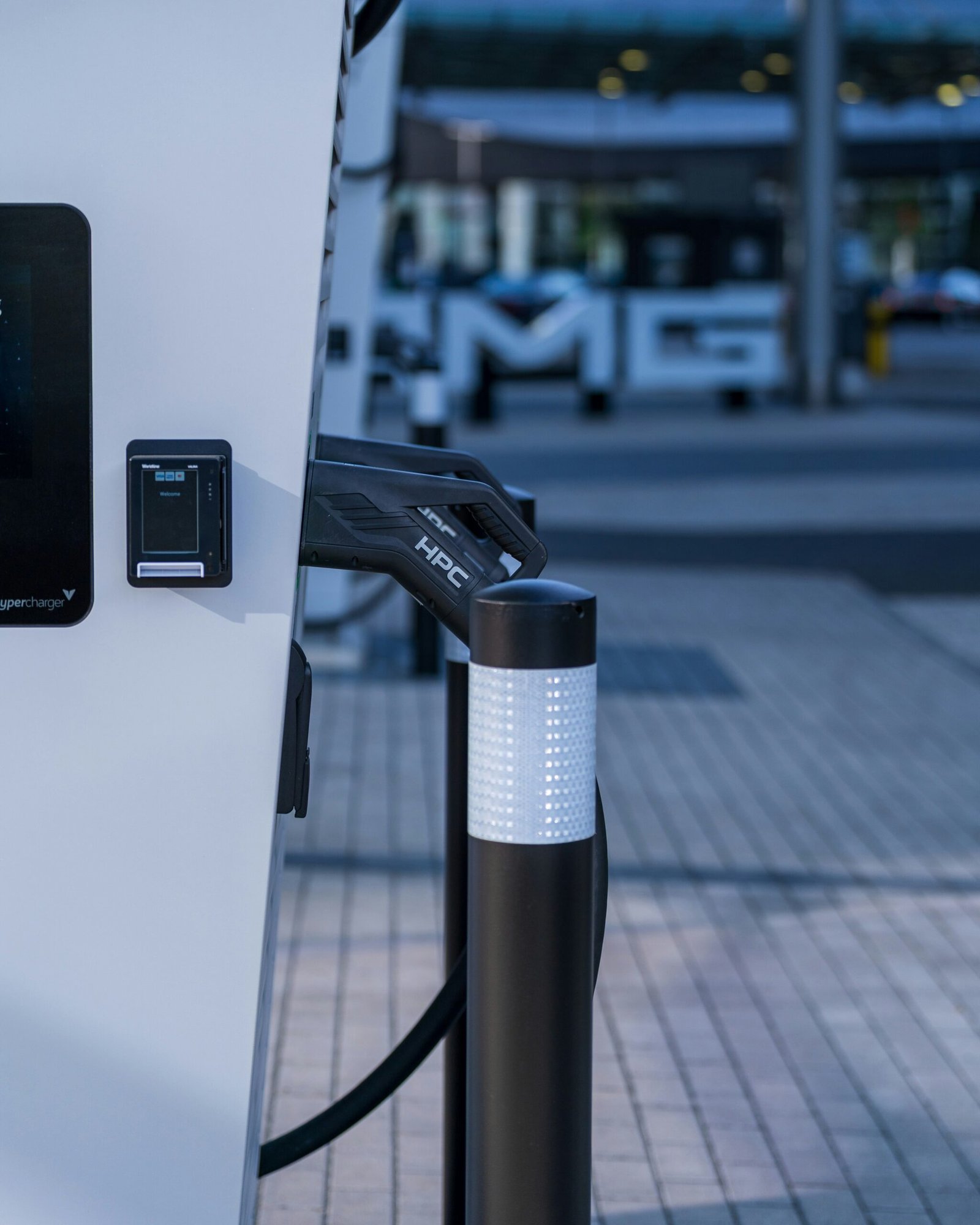
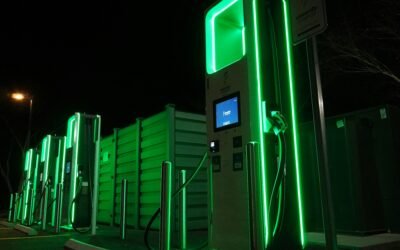
The same mindset applies to public fast charging. A cable that does not quite reach is annoying, but an unofficial workaround is not worth it. Park as the site layout intends and use only equipment approved for your vehicle and the network.
FAQ
Can I charge an EV from a normal wall outlet?
Many EVs can charge from a standard outlet with the supplied portable equipment, where the vehicle and charging-equipment instructions allow it. The outlet condition, circuit and local electrical requirements still matter.
Why does my EV cable have a big box in the middle?
That unit is part of the charging safety system. It manages the connection between the outlet and vehicle. It is not just a fancy cable, which is why adding random extra parts can be a bad idea.
What should I do if the outlet gets warm while charging?
Stop charging and have the outlet and circuit assessed by a qualified electrician. Do not keep testing it overnight.
Have you ever been tempted to use an extension lead for EV charging?
This is a conversation prompt, not a live poll or vote counter. Tell us what made it tempting — a rental, a long driveway, a bad garage layout — and what solution you ended up using.
Bottom line: An extension cord can look like a tiny problem-solver, but EV charging is one place where close enough is not a great electrical plan. Follow your exact manuals, keep the connection direct and tidy, and fix the parking or outlet problem properly when it is a regular thing.
Safety note: This article is general information, not wiring or installation instructions. Follow the manual for your own vehicle and charging equipment, and use a qualified electrician for any permanent electrical work or concerns about an outlet or circuit.