
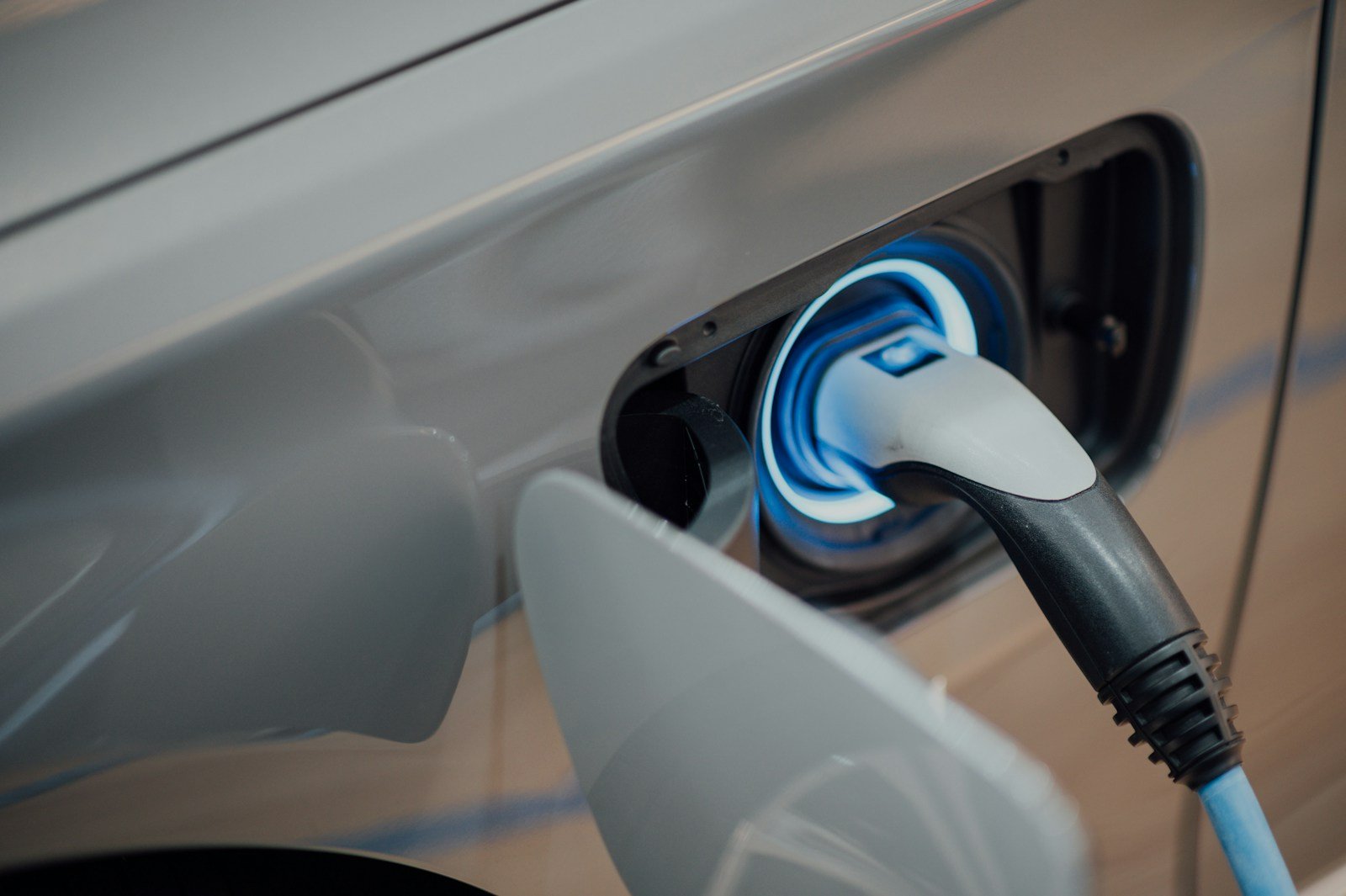

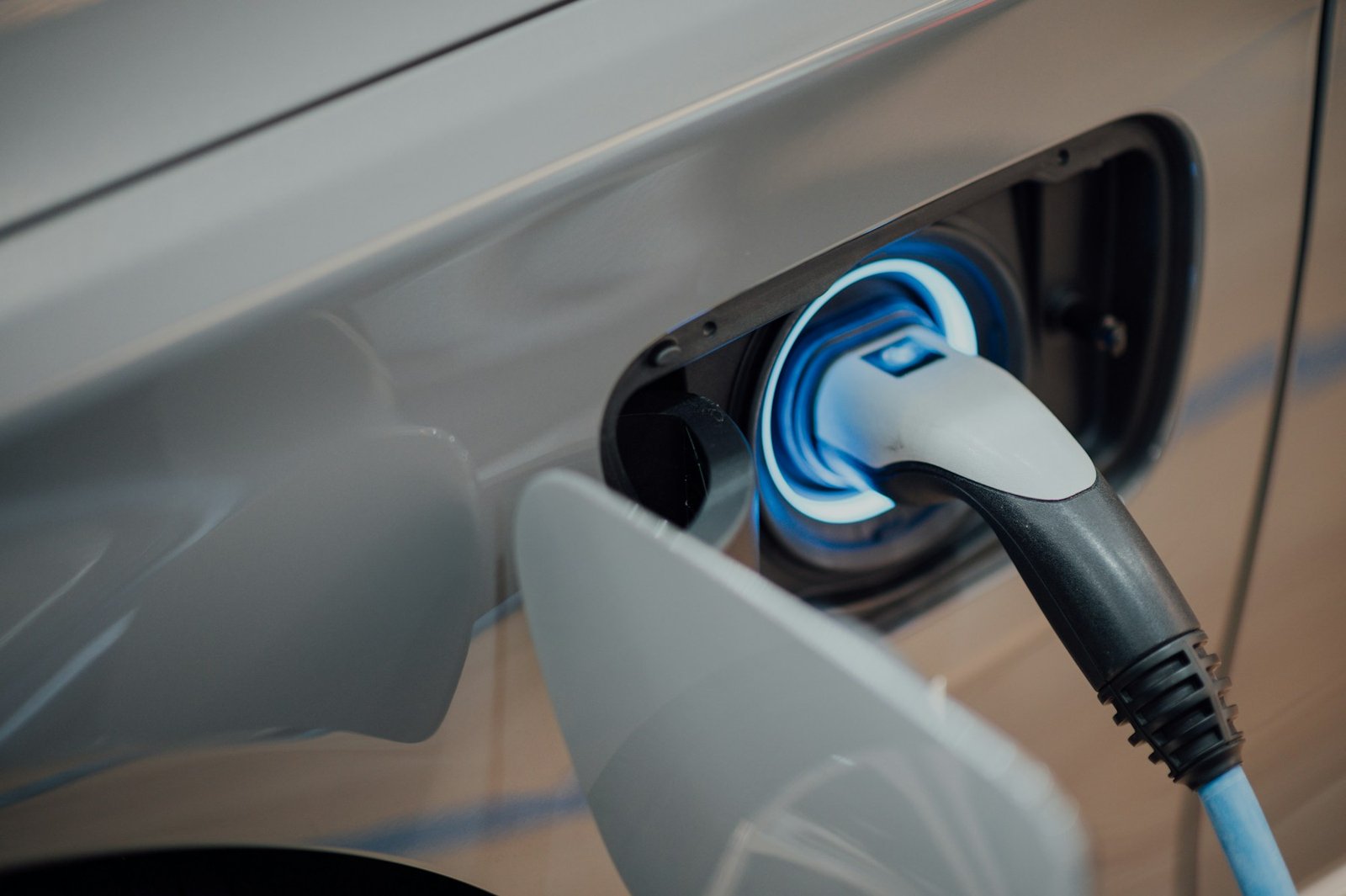
You know that moment when you pull up to a rapid charger, plug in, and the screen gives you a number that feels personally insulting? Like the charger says 150 kW, but your car starts at 42 kW and you are suddenly staring at the cable as if it betrayed you.
Sometimes the charger is busy. Sometimes your battery is already too full. But sometimes the quiet reason is battery temperature. And that is where EV preconditioning comes in. It sounds like a feature for people who wear a fleece indoors. Actually, it can be useful. Just not in the way a lot of people think.
Preconditioning usually means getting the cabin, the battery, or both closer to a useful temperature before you need them. It can make a cold or hot EV feel more normal. It is not a magic range button, and it is not something you need to babysit every day.
First: people use one word for two different things
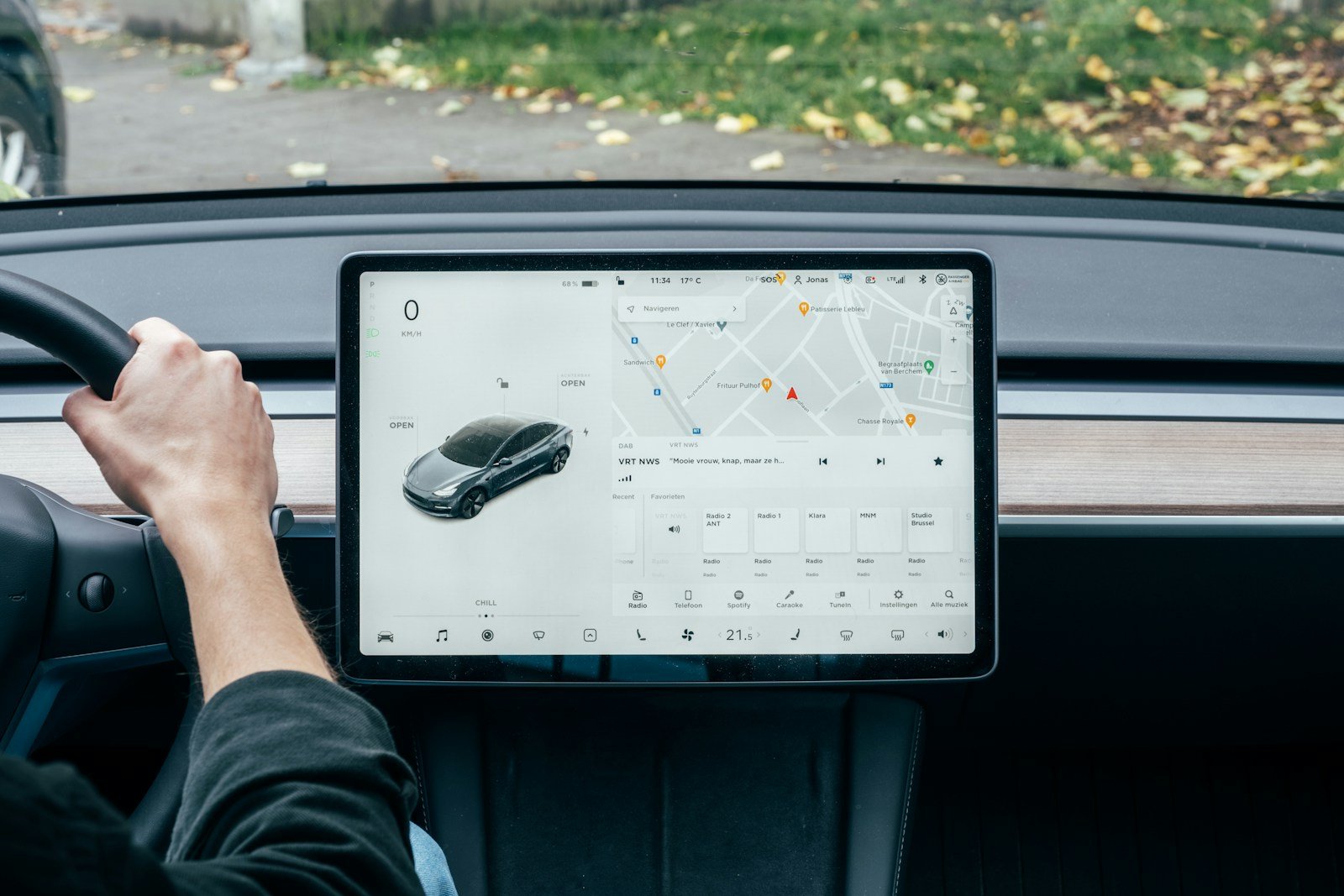
This is why the topic gets confusing fast. Cabin preconditioning is the easy one: you tell the car to cool down or warm up before you leave, so you do not climb into a rolling oven or an icebox. Battery preconditioning is more technical: the car heats or cools the battery pack so it can perform or charge more comfortably in the conditions.
Some cars offer both. Some put one feature in the phone app and hide the other behind navigation to a fast charger. Some only do certain parts in certain temperatures. So, annoying answer, but the owner manual wins here. Your EV may be clever in a completely different way from your friend’s EV.
| Type | What it is doing | When it is most useful |
|---|---|---|
| Cabin preconditioning | Heats or cools the cabin, defrosts glass, and gets the interior comfortable before you go. | Very hot mornings, cold mornings, or when the windshield needs help. |
| Battery preconditioning | Moves battery temperature toward a better operating or charging zone, depending on the vehicle. | Before a DC fast-charge stop in hot or cold weather, especially after the car has been parked for hours. |
Why it can matter at a fast charger
Lithium-ion batteries do not love every temperature equally. The U.S. Department of Energy’s Alternative Fuels Data Center notes that most modern EVs use lithium-ion batteries, although the exact chemistry varies by vehicle. The point for normal drivers is simpler: temperature affects what the car will allow the battery to do, including how eagerly it will accept a fast charge.
That is why a car can be technically plugged into a powerful charger and still charge slowly at first. A 350 kW charger is not a promise that your car will immediately take 350 kW. Battery temperature, state of charge, the car’s own limits, and charger conditions are all part of the mess. We unpacked that in why a 350 kW EV charger will not always give you 350 kW.
On some models, setting a DC fast charger as the destination in the built-in navigation can start battery preparation automatically while you are driving there. Tesla documents this behavior for its own cars, but do not assume every EV works the same way or gives you the same manual button. Check your car’s screen or app once, before the day you actually need it. Future You will appreciate this tiny bit of homework.
When you are heading to a public DC charger in harsh weather, use the car’s own route planner when it supports battery prep. Typing the station into a random map app may get you there, but it may not tell the car to get ready on the way.
Plugged in is the relaxed way to do cabin preconditioning
Preconditioning uses energy. That part is not optional. When your EV is connected to a charger at home, it can draw at least some of that energy from the wall instead of taking it entirely from the driving battery. Tesla’s cold-weather guidance says its plugged-in preconditioning features use external power, which leaves more energy available for driving after you unplug. The exact behavior and limits vary by car and charger, obviously.
This is why a departure schedule can be genuinely nice. You set a time, the cabin is ready, the windows are clearer, and you do not have to run full climate for ten minutes after leaving. It is convenience first. Any range benefit is more like a bonus, not a reason to become weirdly obsessed with the app.
When you probably do not need to bother
- You are making a normal short trip in mild weather.
- You are only using AC or Level 2 charging and are not chasing a quick DC stop.
- You are parked unplugged and would only be running climate for a long time just to save a tiny bit of battery later.
- You are about to fast charge anyway, but the car manual says navigation-based preconditioning needs more driving time than you have.
Also, do not confuse preconditioning with battery “maintenance.” You do not need to manually warm the pack every morning to keep it healthy. Your EV has battery management software for that. Preconditioning is mostly a comfort and performance tool for specific situations, not another ownership chore to add to your brain.
A practical routine that is actually worth using
Three moments to use EV preconditioning
- Before work: schedule cabin comfort while the car is plugged in.
- Before a DC fast-charge stop: choose the charger in the car’s native navigation if it supports battery prep.
- Before a very hot or cold road trip: start with a comfortable cabin and a realistic range plan, not vibes.
For the last one, this guide on why your EV range number behaves like a weather forecast is worth a read too.
One extra thing: climate use, speed, hills, wind, rain and tyres can all change your energy use. So if your range estimate drops, do not instantly decide the battery is dying. Start with the boring explanations first. Our guide on tyre pressure and EV range is there for exactly that reason.
Quick FAQ
Does preconditioning use battery power?
Yes, it uses energy. When the car is plugged in, many EVs can use external power for some or all of that work. Exact behavior depends on the vehicle and charger, so check your manual.
Will it make every fast charge faster?
No. It can help the battery arrive in a better state for charging, but charger power, battery percentage, weather and the car’s charge curve still matter.
Should I precondition before every drive?
Usually no. Use it when comfort matters, when weather is rough, or before a planned fast-charge stop. For a normal mild-weather errand, just drive the car.
Do you use your EV’s preconditioning feature?
There is no live vote counter here. Drop a comment with your real answer: every day, only for road trips, or “wait… my car has that?”
Source note: This article uses the U.S. Department of Energy’s Alternative Fuels Data Center for general EV battery context and Tesla’s winter-driving guidance as a documented example of scheduling, plugged-in preconditioning and navigation-triggered battery preparation. Your own vehicle’s features and instructions may differ.
Bottom line: Use preconditioning when it solves a real problem: an uncomfortable cabin, frosty glass, brutal heat, or a planned fast-charge stop. The rest of the time, let the car be a car. It already has enough menus.