
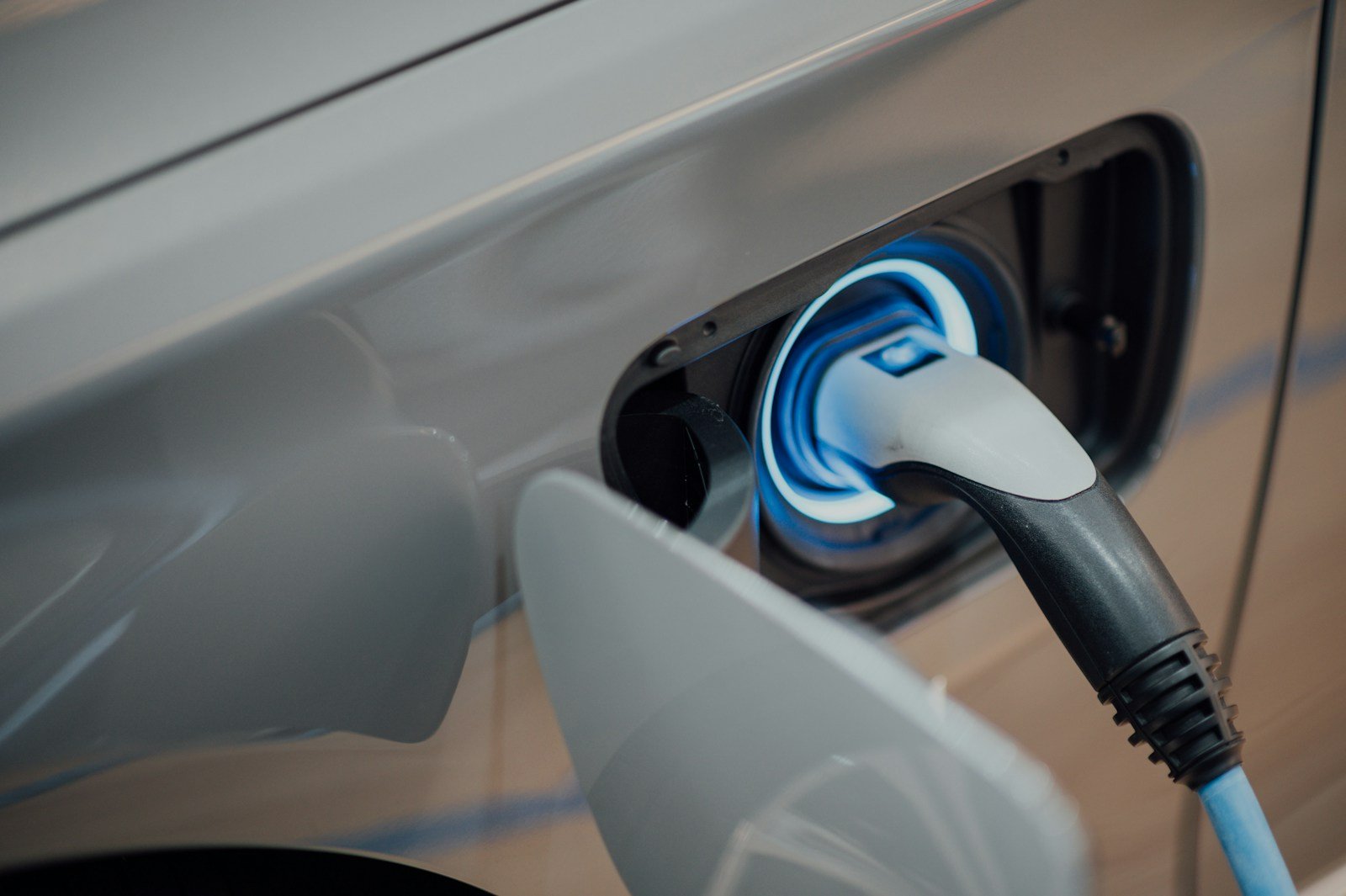

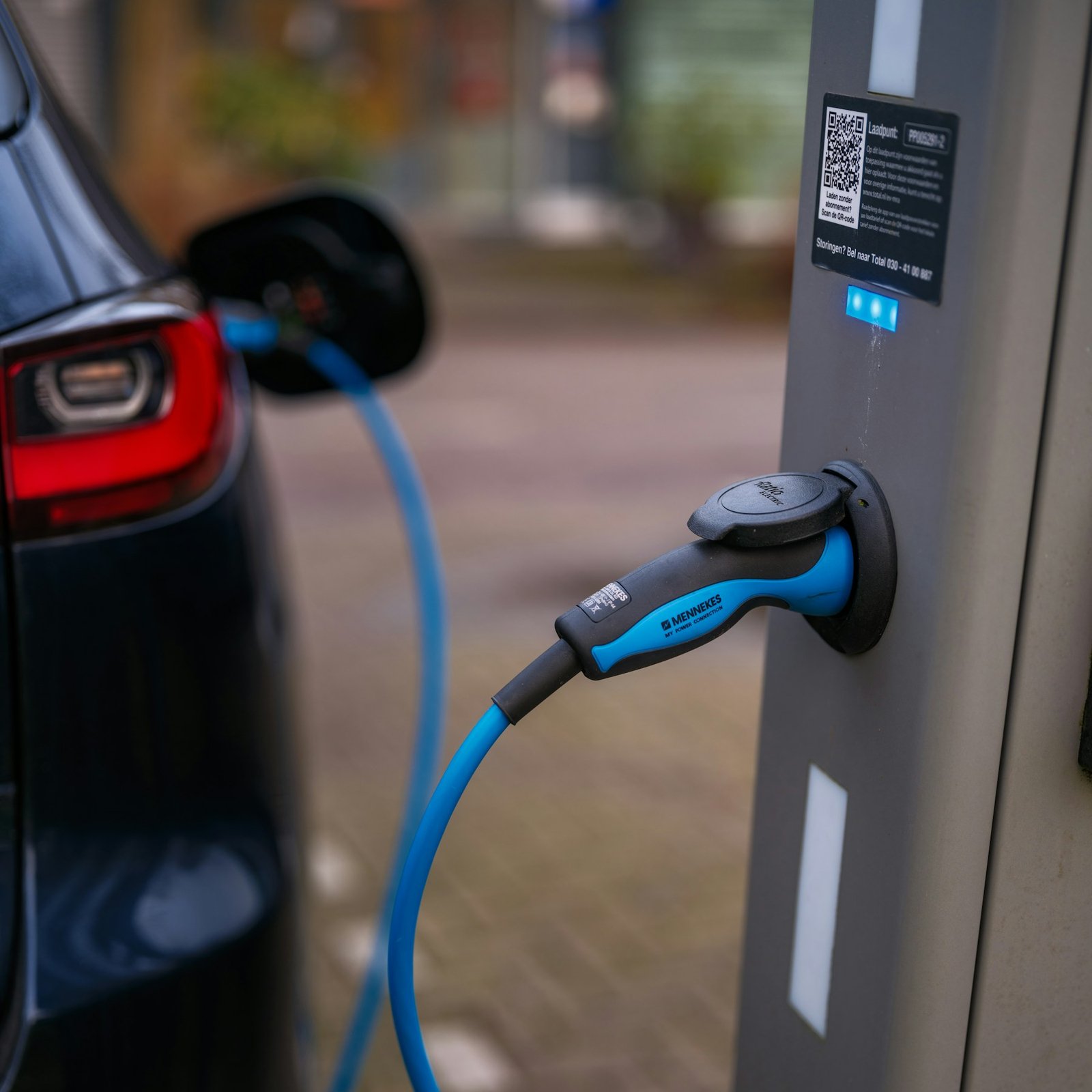
You pull into a shiny 350 kW charger, plug in, and then the screen says 74 kW. Maybe 92 kW if the stars are being nice. It feels like buying a gigabit internet plan and getting the old Wi-Fi in the back bedroom.
But most of the time, the charger is not broken and your car is not being dramatic. That big number on the post is the maximum the charger can offer, not a guaranteed speed your EV will take. Your car, battery temperature and current battery percentage all get a vote here.
A 350 kW charger is a ceiling, not a promise. Your EV only pulls what its charging hardware and battery conditions allow right now. Sometimes that is 40 kW. Sometimes it is 180 kW. Both can be completely normal.
Once you understand this one thing, public charging gets way less annoying. You stop staring at the charger like it personally betrayed you, and start looking at the stuff that actually matters.

First, the charger rating is just one piece of the story
Think of the station rating like a big water pipe. A 350 kW charger has the capacity to send a huge amount of energy. But your EV is still the one opening the tap, and every EV has its own limit.
Some cars are happy around 50 kW. Some can briefly hit 150, 200 or more. And a car that can handle a peak of 200 kW will not necessarily sit there at 200 kW for the whole session. Charging speed is a curve, not one fixed number. The U.S. Department of Energy notes that charging time changes with battery state of charge, battery capacity, vehicle charging capability and the equipment itself.
Why the last 20% can feel painfully slow
Here is where people get caught out on a road trip. You arrive at 12%, the car charges like a rocket for a while, then the speed starts dropping. By 80-something percent, it can feel like watching paint dry with a charging cable.
That does not mean the charger suddenly got lazy. It usually means your EV is protecting the battery while it gets closer to full. In normal trip planning, it can be smarter to take a shorter, faster stop and drive to the next reliable charger rather than force every session to 100%. Not always, obviously. Remote routes, winter, bad charger coverage and family logistics can change the plan.
| What you see | What it usually means | Best move |
|---|---|---|
| 350 kW charger, 60–90 kW on screen | Your EV may simply have a lower maximum rate, or it may not be in the ideal battery window. | Check your model’s DC charge spec before blaming the station. |
| Great speed at 10–30%, slower near 80% | A normal charge curve doing its thing. | Leave when you have enough energy for the next stop plus a sensible buffer. |
| Slow speed from the start on a cold morning | The battery may be cold and still warming up. | Use in-car navigation to precondition when your EV supports it. |
| Several cars charging and your speed is lower than expected | Some sites share power between stalls or have local limits. | Try another available stall if the network guidance allows it. |
So, should you always pick the fastest-looking charger?
Usually, yes on a road trip — but do not expect magic just because the station says 350. A high-power unit can still be the better choice because it gives compatible cars more headroom, and you are less likely to be the one holding things back.
But for a quick top-up at the supermarket, a slower public Level 2 unit can be completely fine. There is no prize for using a DC fast charger when you are going to be parked for two hours anyway. The U.S. Department of Energy says Level 2 is commonly used at public and workplace locations, while DC fast charging is designed for much quicker charging along heavier-travel corridors.
The simple road-trip rule
Charge for the next leg, not for emotional comfort. A little buffer is smart. Sitting for an extra 30 minutes just to see 100% when the next good charger is 90 km away is usually not.
Five easy ways to get a better fast-charge session
- Navigate to the charger in your car’s own map when it supports battery preconditioning. Some EVs warm or cool the pack ahead of arrival.
- Do not roll in at 98% and expect big numbers. Fast charging is normally strongest earlier in the session.
- Know your model’s DC fast-charge limit. A 150 kW car will not become a 350 kW car because the cabinet has a bigger sticker.
- Watch the session for the first minute. If it is wildly slower than expected, stop, restart once or try another stall.
- Plan the stop before you are desperate. Our guide on EV range estimates explains why the number on the dash needs a bit of common sense too.
And honestly, use the time. Bathroom, coffee, stretch, answer one message you have been ignoring since Tuesday. EV stops feel much better when you stop treating them like a penalty box.
What this has to do with battery care
Public fast charging is not bad for your EV just because it is fast. It is part of how modern EVs are designed to be used. But the less you force the car into extreme situations — super hot pack, freezing pack, full battery sitting around for ages — the easier life is for the battery.
That is why it helps to separate daily charging from travel charging. For the everyday side, have a look at our no-panic guide to EV battery health habits. And if you are still deciding whether home charging makes sense, this home EV charger guide is a good place to start.
What annoys you more at a public charger?
No votes are being collected here — drop your answer in the comments instead. I am genuinely curious what people are dealing with.
FAQ: fast chargers and real charging speed
Is a 350 kW charger wasted on a car that peaks at 100 kW?
Not necessarily. It will not make your car charge beyond its own limit, but it can still be a good available charger. Just do not pay a pricing premium for speed you cannot use unless the location or reliability is worth it.
Why is my EV charging slowly even when the battery is low?
Cold weather, a very hot battery, a station fault, shared site power, your car’s own charging limit, or a software/connector issue can all play a part. One slow session is not automatically a car problem.
Should I charge to 100% before every long drive?
It depends on your route and your car’s guidance. A full charge can make sense when you need the range, but on many trips it is faster overall to leave earlier and charge again later because the final part of a DC fast-charge session can be much slower.
The bottom line
A 350 kW sign does not mean your EV is supposed to show 350 kW. Your car has a limit. The battery has a mood. The weather has opinions. Public charging gets easier once you accept all three and plan around them a little.
Use the fastest sensible charger for your situation, arrive with some room in the battery, and do not make the last 15% of a road-trip charge your new hobby. You will save time, probably save some stress, and maybe even stop refresh-checking the screen every 40 seconds.